How Frequently Should Your Cat Visit the Vet?
Caring for a cat means more than feeding, grooming, and offering affection. It involves consistent attention to your feline’s health. One of the most crucial parts of cat care is determining how often your cat should visit the vet. Regular check-ups can make a significant difference in your cat’s quality of life and longevity.
Many cat parents underestimate the importance of preventive veterinary care. They often wait until their cat shows visible signs of illness. However, cats are masters at hiding discomfort. By the time symptoms appear, the issue may already be advanced. Let’s explore how often your cat should see the vet based on age, lifestyle, and health condition.
Why Regular Vet Visits Matter
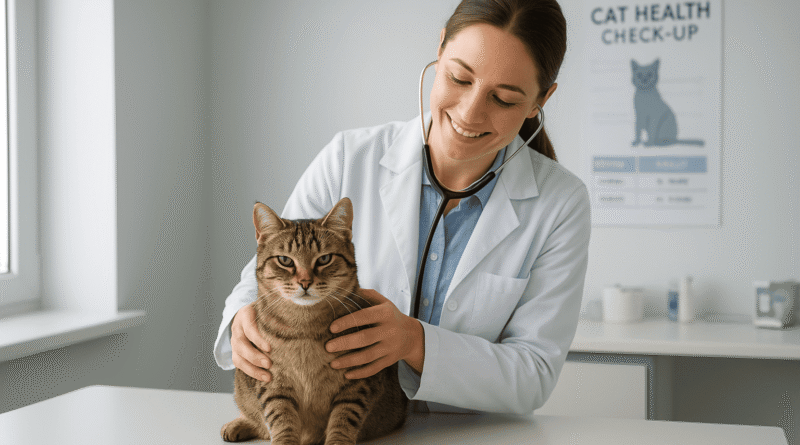
A vet visit is more than just a health check. It’s a comprehensive evaluation of your cat’s physical and emotional well-being. During these visits, veterinarians examine everything—from teeth and coat condition to internal organs and weight.
Regular veterinary care ensures early detection of diseases such as diabetes, kidney problems, or dental issues. According to the American Association of Feline Practitioners (AAFP), preventive care allows early intervention and can reduce long-term healthcare costs. Moreover, it strengthens the bond between you and your cat, as you actively participate in maintaining their well-being.
Routine check-ups also help track vaccinations, deworming schedules, and nutritional needs. Vets adjust your cat’s health plan based on its life stage, ensuring your feline friend stays vibrant and happy.
How Often Should Kittens Visit the Vet?
The First Few Weeks
Kittens require frequent vet visits during their first year of life. Typically, they should visit the vet every three to four weeks until they are about 16 weeks old.
During this period, the veterinarian conducts physical exams, checks for parasites, and administers vaccinations. These include core vaccines like feline distemper, herpesvirus, calicivirus, and rabies.
Early visits also allow the vet to identify congenital issues or developmental delays. Since kittens grow rapidly, their dietary needs and immune systems change quickly. Regular monitoring helps prevent malnutrition or early infections.
Spaying and Neutering
Most vets recommend spaying or neutering between four and six months of age. This procedure not only prevents unwanted litters but also reduces behavioral issues and the risk of certain cancers.
The vet will discuss the best timing for your kitten’s surgery and ensure they are healthy enough for the procedure. Following surgery, a brief follow-up visit ensures recovery is smooth and complication-free.
How Often Should Adult Cats Visit the Vet?
Annual Check-Ups Are Essential
Once your cat reaches adulthood (around one year old), they should see the vet at least once a year for a routine wellness exam.
During this visit, the vet examines weight, coat health, eyes, teeth, and heart. They may also perform blood tests to monitor organ function. Vaccinations and parasite control treatments are updated according to your cat’s needs.
Regular check-ups help catch early signs of illness before they become severe. For instance, subtle changes in appetite or behavior may indicate underlying problems that only a vet can identify through diagnostic testing.
Indoor vs. Outdoor Cats
Lifestyle plays a major role in determining vet visit frequency. Indoor cats are generally safer and face fewer health risks. However, they still need yearly visits for vaccines, dental exams, and preventive care.
Outdoor cats, on the other hand, are more exposed to parasites, injuries, and infectious diseases. Therefore, they should see the vet every six months. More frequent check-ups ensure they remain protected from illnesses like feline leukemia (FeLV) and feline immunodeficiency virus (FIV).
Even if your cat only goes outside occasionally, discuss preventive care options like flea, tick, and worm treatments with your vet.
How Often Should Senior Cats Visit the Vet?
Aging Gracefully with Care
When your cat turns seven years or older, it enters the senior stage. Aging cats require biannual vet visits to monitor age-related changes.
During these visits, veterinarians conduct thorough exams, including blood pressure measurements, thyroid tests, and organ function panels. These help detect common senior cat conditions such as arthritis, kidney disease, and hyperthyroidism.
Cats age faster than humans. Missing even one annual visit could mean overlooking an issue that progresses quickly. Regular vet visits ensure early treatment, helping your senior cat maintain comfort and mobility.
Monitoring Behavioral and Dietary Changes
Senior cats often show subtle changes in behavior, sleep, or eating habits. These might signal pain or disease. Regular vet visits allow professionals to assess these changes.
Your vet may suggest dietary adjustments, supplements, or medications to improve joint health and digestion. They may also recommend dental cleaning or weight management to prevent obesity-related complications.
By staying consistent with check-ups, you ensure your senior cat enjoys their golden years in comfort and good health.
What Happens During a Routine Vet Visit
Physical Examination
A routine vet visit usually begins with a full physical exam. The veterinarian checks your cat’s eyes, ears, teeth, heart, lungs, and abdomen. They also examine the skin and fur for signs of parasites or allergies.
They will assess weight, hydration, and overall body condition. This information helps detect nutritional deficiencies, obesity, or underlying diseases early.
Vaccinations and Preventive Treatments
Vaccines protect cats from dangerous and potentially fatal diseases. Core vaccines are essential for all cats, while non-core vaccines depend on lifestyle.
For example, indoor cats may not need the same vaccines as outdoor cats. Your vet will tailor a vaccination schedule to your cat’s exposure risks.
Parasite prevention is also part of the visit. Flea, tick, and worm control treatments help maintain your cat’s comfort and safety.
Dental and Oral Health
Dental care is often overlooked but plays a vital role in your cat’s health. The vet examines the teeth and gums for tartar, inflammation, or infection.
Dental disease can lead to pain, tooth loss, and even organ damage if bacteria spread to the bloodstream. Regular dental checks prevent these complications and keep your cat’s mouth healthy.
Nutrition and Weight Management
Obesity is a growing concern among domestic cats. Extra weight can cause diabetes, arthritis, and heart disease.
During the visit, the vet assesses your cat’s diet and recommends portion sizes and suitable food types. They may suggest specialized diets for cats with allergies, kidney issues, or other medical conditions.
Consistent monitoring helps maintain an ideal body weight, ensuring long-term vitality.
Recognizing When to Visit the Vet Immediately
Even with regular visits, emergencies can occur. Recognizing warning signs early can save your cat’s life. Contact your vet immediately if you notice any of these symptoms:
- Loss of appetite or thirst for more than 24 hours
- Sudden weight loss or gain
- Difficulty breathing
- Vomiting or diarrhea lasting more than a day
- Lethargy or weakness
- Frequent urination or straining in the litter box
- Limping or inability to move
- Unexplained lumps or swelling
- Bleeding or open wounds
Prompt medical attention ensures timely diagnosis and treatment.
How to Make Vet Visits Less Stressful
Cats can become anxious when visiting the vet. To make the experience more comfortable, start by using a secure carrier lined with a soft blanket. Leave the carrier open at home so your cat can explore it freely.
Speak to your cat in a calm, reassuring voice. Bring familiar items, like a toy or small towel, that smell like home. Scheduling appointments during quiet clinic hours can also reduce stress.
If your cat experiences severe anxiety, ask your vet about pheromone sprays or mild sedatives to ease tension.
The Role of Preventive Health Care
Preventive care isn’t limited to vet visits. It includes at-home practices that complement professional check-ups. Regular grooming, brushing, and monitoring your cat’s appetite and litter box habits are crucial.
Annual bloodwork and dental cleanings support internal and oral health. Maintaining a balanced diet and exercise routine promotes physical fitness.
Combined with consistent veterinary care, these practices contribute to a happier, longer life for your cat.
The Cost of Vet Visits and Why They’re Worth It
Many cat parents worry about the cost of veterinary care. However, regular visits can actually save money over time. Preventive care identifies health issues early, reducing the need for costly treatments later.
Pet insurance can also help manage expenses. Several plans cover annual check-ups, vaccinations, and emergency care. Investing in preventive healthcare is an act of love and responsibility toward your feline friend.
How to Prepare for a Vet Visit
Before each appointment, note any behavioral changes or symptoms you’ve observed. Record details about your cat’s diet, litter habits, and activity levels. Bring vaccination records and medication lists.
Preparation helps your vet form a clearer picture of your cat’s health. It also ensures that you address all your concerns during the visit without forgetting important details.
Building a Lifelong Relationship with Your Vet
Finding a trusted veterinarian is as important as scheduling regular visits. A long-term relationship ensures continuity of care and familiarity with your cat’s medical history.
Your vet becomes a partner in your cat’s well-being. Regular communication allows timely adjustments to diet, treatment, and preventive measures. Over time, this partnership helps your cat thrive physically and emotionally.
To Conclude: Consistent Care Keeps Cats Healthy
So, how often should your cat visit the vet?
- Kittens: Every 3–4 weeks until 16 weeks old.
- Adults: At least once a year.
- Older Cats: Every 6 months or more often if health issues arise.
Regular vet visits are the foundation of preventive care. They ensure early detection of health issues, strengthen immunity, and maintain overall vitality. Combined with a balanced diet, exercise, and affection, veterinary care keeps your cat purring happily for years to come.
Being proactive about your cat’s health is one of the most loving things you can do. After all, a healthy cat means a happier home.
References
- American Association of Feline Practitioners (AAFP). Feline Preventive Healthcare Guidelines. https://catvets.com
- Cornell University College of Veterinary Medicine. Cat Care: Routine Health Care. https://www.vet.cornell.edu
- American Veterinary Medical Association (AVMA). Pet Health Guidelines. https://www.avma.org
- International Cat Care. Routine Health Checks for Cats. https://icatcare.org
- 2021 AAFP Senior Care Guidelines for Cats. Journal of Feline Medicine and Surgery, 23, 613–638. Provides detailed guidance on wellness visits for senior cats and emphasizes the importance of routine assessment for older feline patients. Abfel
- 2022 AAFP/ISFM Cat Friendly Veterinary Interaction Guidelines. Journal of Feline Medicine and Surgery, 24, 1093–1132. Addresses how veterinary visits can be optimized for cats, including handling, environment, and interaction—all of which impact visit frequency and success. Medicina de Abrigos Brasil
- Importance of Routine Health Examinations for Cats and Cat‑Friendly Practices by T. Babakıray & H. Güneş, Journal of Istanbul Veterinary Sciences, Vol. 8(1), 50-53 (2024). Discusses preventive care and how regular exams support cat health. DergiPark+1
- Cat Friendly Practice® Improves Feline Visits, Resulting in Increased Laboratory Testing and Increased Diagnosis of Certain Common Feline Conditions (St Denis et al., 2023/24). Demonstrates that cat-friendly practices lead to more frequent visits and better diagnostics—which underpins how often cats should be seen. PMC+1
- Development and Validation of a Machine Learning Algorithm for Clinical Wellness Visit Classification in Cats and Dogs (Szlosek et al., 2024, arXiv). Examines how wellness visits are classified, supporting the notion that wellness (vs illness-driven) visits are important for cats. arXiv
- Development of New Canine and Feline Preventive Healthcare Guidelines Designed to Improve Pet Health (AVMA/AAHA, 2011). Outlines the underlying concepts of preventive care and veterinary visit frequency for pets, including cats. PubMed
- AAHA‑AVMA Feline Preventive Healthcare Guidelines. A guideline document stating “All cats should have a veterinary examination at least annually. For many cats, more frequent visits may be appropriate.” AVMA+2AVMA+2
- Happy cats: stress in cats and their carers associated with outpatient visits to the clinic. Veterinary Journal/Research, (2022/23). Explores how stress affects cat visits and therefore how visit frequency and environment matter. PubMed