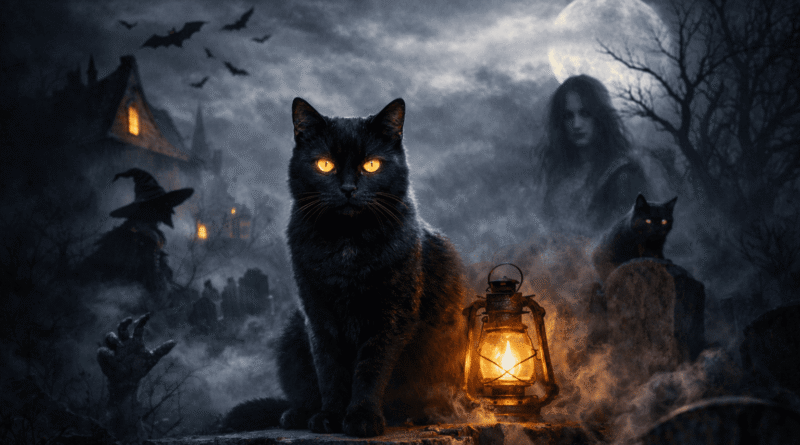
Why Cats Haunt the Dark Corners of Cinema
Cats have always occupied a mysterious place in human imagination. Their quiet movements, glowing eyes, and independent nature make them fascinating companions. At the same time, these traits have also led storytellers to associate cats with secrets, supernatural forces, and the unknown. Because of this cultural history, filmmakers often use cats as powerful symbolic elements in horror movies.
In horror cinema, cats rarely appear by accident. Directors place them deliberately in scenes to create tension, foreshadow danger, or represent supernatural influence. Sometimes the cat acts as a warning sign. In other cases, the animal symbolizes transformation, witchcraft, or the thin boundary between life and death.
This article explores the symbolism of cats in horror movies, tracing how filmmakers use feline imagery to deepen fear and narrative meaning. We will examine historical beliefs about cats, analyze their symbolic roles in classic and modern horror films, and explain why these animals continue to appear in frightening stories.
The Historical Roots of Cat Symbolism
Before discussing cinema, it helps to understand the long cultural history that shaped how audiences perceive cats.
Across many civilizations, cats have carried symbolic meanings that range from divine protection to dark superstition. These interpretations influenced the way filmmakers later portrayed cats in horror stories.
Ancient Egypt: Sacred Guardians
In ancient Egypt, cats symbolized protection, fertility, and divine power. The goddess Bastet, often depicted with the head of a cat, represented home protection and maternal care. Egyptians valued cats so highly that harming one could result in severe punishment.
This reverence established the idea that cats possess supernatural awareness. Even today, many horror films portray cats as creatures capable of sensing spirits or hidden danger.
Medieval Europe: Cats and Witchcraft
The symbolic meaning of cats shifted dramatically during the Middle Ages in Europe. Superstitions linked black cats with witchcraft, demons, and the supernatural.
During witch hunts, people often believed witches kept cats as “familiars,” spirit companions that assisted in magical practices. These beliefs influenced literature and folklore, which in turn shaped early horror storytelling.
Because of this history, horror movies frequently portray cats as companions of witches or supernatural entities.
Folklore and Urban Legends
Folklore from around the world reinforces the mysterious reputation of cats.
For example:
- Celtic legends describe cats as guardians of the spirit world.
- Japanese folklore includes the bakeneko, a cat that can transform into a supernatural being.
- European tales often portray black cats as omens of bad luck.
These legends provided rich inspiration for horror filmmakers. As a result, cats often appear as symbolic bridges between the natural world and the supernatural realm.
Why Cats Work So Well in Horror Movies
Filmmakers choose cats for horror scenes for several practical and psychological reasons.
Natural Mystery
Cats move silently and unpredictably. Their reflective eyes glow in low light, and their ability to appear suddenly can startle viewers. Directors often use these traits to build suspense.
Emotional Contrast
A domestic cat typically represents comfort and familiarity. When a horror film places that familiar animal in a frightening environment, the contrast intensifies the emotional effect.
Symbolic Flexibility
Cats can symbolize many ideas simultaneously. They may represent intuition, danger, witchcraft, independence, or the unknown. This flexibility allows filmmakers to use them in different narrative roles.
Cats as Omens of Danger
One of the most common uses of cats in horror movies involves the idea of warning or foreshadowing.
Cats in horror often react to threats before human characters notice them. A hissing cat or a frightened feline may signal the presence of a supernatural force.
A classic example appears in the film Cat People, where feline imagery hints at a hidden transformation and supernatural curse. The film uses the cat not simply as an animal but as a symbol of repressed fear and hidden identity.
Another notable example appears in The Amityville Horror, where a cat’s behavior signals the disturbing energy inside the haunted house.
These scenes use animal intuition to create tension. Audiences instinctively trust that animals can sense danger, so the cat becomes an early warning system within the story.
Cats as Symbols of Witchcraft
Horror cinema often connects cats with witches and occult practices. This connection originates from centuries of folklore.
Black cats appear frequently beside witches in movies to reinforce the supernatural atmosphere. They symbolize hidden knowledge, magical companionship, and the blurred boundary between human and spirit worlds.
A strong example appears in Suspiria, where animal imagery contributes to the eerie world of a secret witch coven.
Similarly, in The Witches, cats appear in symbolic association with magical transformation and dark enchantment.
In these films, the cat acts as a visual shorthand for occult power. Even when the animal does not perform magic directly, its presence reminds viewers that supernatural forces may be near.
Cats as Guardians Against Evil
Interestingly, not all horror movies portray cats as sinister creatures. In many stories, they serve as protectors.
Some cultural traditions believe cats guard homes against evil spirits. Filmmakers sometimes incorporate this belief into horror narratives.
In Pet Sematary, the resurrected cat becomes a disturbing symbol of death and resurrection. However, the original animal also functions as a beloved companion whose transformation signals the corruption of natural order.
Another example appears in Sleepwalkers, where cats play a surprising heroic role. In that story, the supernatural villains fear cats because the animals can detect and attack them.
This reversal highlights the dual symbolism of cats in horror. They may represent both danger and protection.
The Uncanny Nature of Cats
Cats possess behavioral traits that often appear unsettling to humans.
They stare silently, react to invisible stimuli, and sometimes appear to watch things that humans cannot see. Horror filmmakers use these behaviors to suggest the presence of unseen forces.
A cat staring at an empty hallway may imply that a ghost stands there. A sudden hiss can signal supernatural intrusion.
Because cats behave independently, viewers accept these actions as natural rather than scripted. This realism strengthens the eerie atmosphere.
The Gothic Tradition and Feline Horror
Classic Gothic literature strongly influenced horror cinema. Writers such as Edgar Allan Poe frequently used animals to symbolize psychological fear.
One famous story, The Black Cat, portrays a cat as both a supernatural presence and a reflection of the narrator’s guilt.
This literary tradition shaped how filmmakers use cats in horror narratives. Instead of simply showing monsters, directors use symbolic animals to represent psychological torment.
As a result, the cat becomes more than a background creature. It becomes an extension of human emotion and moral conflict.
Cats and Transformation in Horror
Transformation is a recurring theme in horror movies. Many stories explore the idea of humans becoming something monstrous.
Cats often symbolize this transformation because they already occupy a liminal space between domestication and wild instinct.
In Cat People, the protagonist fears transforming into a deadly feline creature when she experiences strong emotions.
This story uses the cat as a metaphor for suppressed identity and internal conflict.
Modern horror films sometimes revisit this concept through shape-shifting or supernatural possession.
The Visual Language of Cats in Horror Cinema
Filmmakers rely heavily on visual storytelling. Cats contribute to this visual language in several ways.
Glowing Eyes
Cats’ reflective eyes create striking imagery in dark scenes. Directors often place a cat in shadow so that its eyes appear suddenly, adding a moment of surprise.
Sudden Movement
A cat jumping across a hallway or knocking over an object can create a classic “jump scare.” This technique became common in many horror movies.
Silence
Unlike barking dogs, cats move quietly. Their silent presence can make scenes feel tense and unpredictable.
These visual techniques help directors create atmosphere without relying on dialogue.
Cultural Variations in Cat Symbolism
Different cultures portray cats in unique ways, and international horror cinema reflects these differences.
Japanese Horror
Japanese folklore includes supernatural cats such as the bakeneko and nekomata. These creatures can shape-shift, curse humans, or control spirits.
Japanese horror films often draw from these legends, presenting cats as ancient supernatural beings.
Western Horror
Western films usually emphasize cats as omens, witch companions, or haunted animals.
This portrayal reflects European folklore and medieval superstition.
Modern Global Horror
Contemporary horror cinema blends cultural traditions. Filmmakers now incorporate diverse folklore, expanding how cats appear in supernatural stories.
Psychological Symbolism of Cats
Beyond folklore, cats also represent psychological themes in horror narratives.
Independence and Isolation
Cats symbolize independence and solitude. Horror movies sometimes use this symbolism to represent characters who feel emotionally isolated.
Hidden Instincts
A cat’s predatory nature reflects hidden instincts within humans. Directors use feline imagery to suggest that characters may hide dangerous impulses.
Fear of the Unknown
Cats often stare into darkness or react to unseen stimuli. This behavior symbolizes humanity’s fear of forces beyond our understanding.
Modern Horror Films and Feline Imagery
Modern horror movies continue to use cats symbolically, though often with subtlety.
For example, the film A Quiet Place emphasizes silence and sensory awareness—traits strongly associated with cats. While the story does not focus on feline characters, it reflects similar themes of heightened perception.
Meanwhile, contemporary filmmakers sometimes challenge old superstitions by portraying cats as loyal companions rather than sinister omens.
This shift reflects changing cultural attitudes toward animals.
The Ethical Evolution of Animal Representation
Earlier horror films sometimes portrayed animals negatively or used them purely for shock value. However, modern audiences increasingly value ethical treatment of animals in media.
Organizations such as American Humane now monitor film productions to ensure animals are treated safely.
Because of these guidelines, filmmakers today often rely on symbolic imagery rather than frightening or harming animals.
Why Cats Continue to Appear in Horror Stories
Cats remain popular in horror cinema for several reasons:
- They carry centuries of symbolic meaning.
- Their natural behavior creates suspense.
- Audiences immediately recognize the folklore surrounding them.
- They visually enhance dark and atmospheric scenes.
These qualities make cats uniquely suited to horror storytelling.
Cultural Impact of Horror Cats
Feline horror imagery has influenced popular culture in many ways.
Black cats now appear frequently in Halloween decorations, horror posters, and gothic art. They symbolize mystery, magic, and the supernatural.
Even outside horror films, this imagery continues to shape how society perceives cats.
Interestingly, many cat lovers now celebrate this symbolism rather than fear it.
The Future of Cats in Horror Cinema
As horror films evolve, the role of cats may change as well.
Future filmmakers may explore new interpretations of feline symbolism, focusing on themes such as environmental awareness, animal intelligence, or interspecies connection.
Advances in visual effects also allow directors to portray supernatural animals without risking real animal welfare.
This technological shift may lead to even more imaginative feline characters in horror stories.
To Sum Up
Cats occupy a fascinating place in horror cinema because they combine beauty, mystery, and symbolic depth. Their cultural history spans sacred worship, medieval superstition, and psychological symbolism.
Filmmakers use cats to foreshadow danger, represent supernatural forces, and reflect human fears. Sometimes the cat appears as a sinister omen. In other stories, it acts as a guardian against evil.
Ultimately, the symbolism of cats in horror movies reflects humanity’s enduring fascination with these enigmatic animals. Their quiet presence, piercing gaze, and unpredictable nature make them perfect companions for stories that explore the unknown.
As long as horror cinema continues to explore mystery and fear, cats will likely remain one of its most powerful symbolic creatures.
References
- Edgar Allan Poe. The Black Cat. 1843.
- Carroll, Noël. The Philosophy of Horror. Routledge.
- Skal, David J. The Monster Show: A Cultural History of Horror.
- American Humane – Film animal safety guidelines.
- Guinness World Records. The History of Cats in Culture.
- Turner, D., & Bateson, P. The Domestic Cat: The Biology of Its Behaviour. Cambridge University Press.
- Clute, John & Grant, John. The Encyclopedia of Fantasy.