Cat Toys for Training and Behavior Modification
Cat toys carry a much deeper purpose than simple entertainment. They enrich the environment, stimulate instinctual behaviors, and help shape healthier daily habits. Cats thrive when their surroundings offer variety, mental stimulation, and opportunities to release natural energy. Therefore, cat toys play a central role in behavior modification and structured training approaches. They also create a nurturing space that supports emotional balance and strengthens the relationship between cats and their families.
Mental and physical engagement encourages curiosity, confidence, and personal expression. Cats explore, climb, hunt, and solve challenges when their space includes toys that inspire movement and focus. This engagement supports physical health and mental stability. Consequently, toys become essential resources for maintaining wellness. They influence nearly every part of a cat’s life, including emotional security, communication, and social relationships. For these reasons, cat toys belong to the heart of modern training strategies.
Understanding Behavioral Enrichment
What Behavioral Enrichment Means
Behavioral stimulation includes any activity, object, or experience that triggers natural instincts. Cats rely on instincts developed through thousands of years of evolution. They stalk, chase, climb, scratch, and investigate their surroundings. Enrichment allows them to express these instincts safely. It also keeps them alert, engaged, and emotionally stable.
Cats feel motivated when their environment challenges them. Enrichment encourages exploration, problem-solving, and movement. It also offers opportunities to release built-up stress. Therefore, enrichment supports both mental and physical well-being.
Why Enrichment Matters in Domestic Life
Domestic cats live in climate-controlled homes. They receive food without hunting. They rest without needing to protect themselves. Although these comforts improve safety and longevity, they reduce natural stimulation. Without enrichment, cats may feel bored or frustrated. They may develop unwanted behaviors or disengage from family life.
Toys reduce frustration by providing meaningful outlets. They activate the mind and the body. They also help shape routines that enhance stability. This balance leads to calmer interactions and healthier communication between cats and people.
Signs Your Cat Needs More Enrichment
Cats reveal their needs through behavior. A bored cat may:
- over-groom
- scratch furniture
- vocalize excessively
- become irritable
- act withdrawn
- show nighttime hyperactivity
These behaviors often improve when enrichment increases. Toys add structure, purpose, and joy to the daily routine.
How Toys Support Natural Instincts
1. Stimulating Hunting Behavior
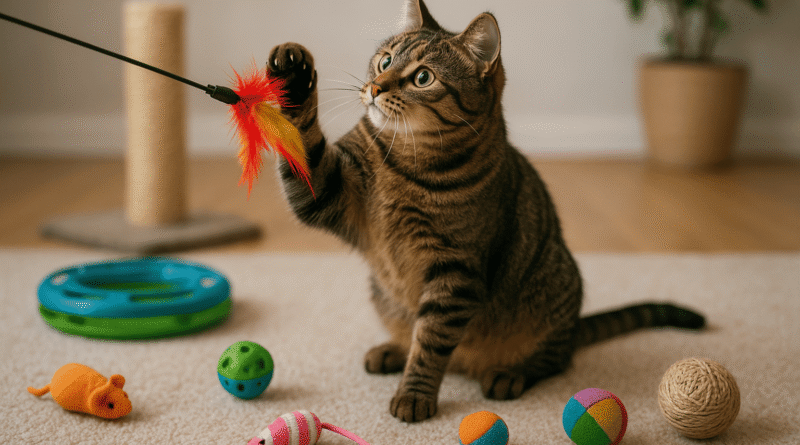
Cats carry strong hunting instincts. They track movement, stalk objects, and pounce with precision. Wand toys, feather teasers, toy mice, and motion-activated devices activate these instincts. They offer controlled opportunities to practice hunting skills. This activity releases energy in a positive way.
Hunting-style play also improves coordination and agility. It encourages sharp focus and builds confidence. It reduces frustration by allowing cats to “catch” something appropriate instead of attacking hands or feet. As a result, hunting games strengthen emotional balance.
2. Encouraging Physical Exercise
Movement strengthens the entire body. When cats run, jump, stretch, and chase toys, they improve flexibility. They also develop stronger muscle tone. This activity keeps joints healthy and helps prevent weight gain.
Regular play supports overall fitness. Cats benefit from short bursts of consistent exercise throughout the day. Toys make exercise enjoyable rather than stressful. When families use toys during guided play, they help cats maintain healthy routines without forcing activity.
3. Strengthening Mental Engagement
Cats think, strategize, and evaluate their environment constantly. They enjoy solving simple problems. Puzzle feeders, treat-dispensing toys, and interactive toys challenge the mind. They also build confidence through successful exploration.
Mental engagement prevents cognitive decline as cats age. It also reduces stress by shifting focus from anxious behaviors to constructive tasks. Cats feel accomplished when they figure out how a toy works. This sense of achievement supports emotional resilience.
Cat Toys as Training Tools
The Connection Between Toys and Positive Reinforcement
Training becomes more effective when cats feel motivated. Toys act as rewards. When a cat completes a desirable action, a short play session reinforces the behavior. This method builds trust and strengthens communication.
Cats respond well when they link a behavior to something they enjoy. Toys create that connection. They also make training sessions fun and engaging.
Redirecting Unwanted Behaviors
Cats sometimes act out due to boredom, frustration, or pent-up energy. Scratching furniture, biting during play, or pouncing on feet often signals unmet needs. Toys offer healthy alternatives. A scratching toy encourages appropriate scratching. A wand toy redirects biting from hands to a safe object.
Redirection teaches boundaries in a gentle, supportive way. Cats learn what is acceptable without feeling punished or confused. Consistent redirection also reduces long-term behavior problems.
Building Structure and Reducing Stress
Training depends on clear routines. Cats feel secure when they know what to expect. Scheduled play sessions create structure. This structure reduces anxiety. It also helps cats manage energy levels throughout the day.
Routine strengthens emotional stability. It also promotes smoother interactions between cats and family members. Training becomes easier when cats feel relaxed and confident.
Types of Toys That Support Behavior Modification
Interactive Toys
Interactive toys encourage movement and focus. Wand toys, ribbon teasers, and moving laser dots capture attention quickly. They inspire cats to chase, leap, and problem-solve.
These toys help release energy in a controlled setting. They also support training because they require attention and direction. Families can guide movement and encourage desired actions.
Puzzle Toys and Food-Dispensing Toys
Puzzle toys challenge the mind. Food-dispensing balls, treat mazes, and slow-feeding puzzles help cats work for rewards. These toys build patience. They also teach problem-solving skills.
They provide long-lasting engagement. Additionally, they reduce overeating by slowing down mealtime. Cats feel satisfied when they accomplish a puzzle, which lowers stress levels.
Scratching Toys
Scratching fulfills several natural needs. It stretches muscles, removes old claw sheaths, and helps cats mark territory. Scratching toys give cats an appropriate outlet.
This redirection protects furniture and carpets. It also prevents frustration, because scratching feels rewarding to cats. Training becomes easier when families encourage scratching in designated areas.
Climbing Structures
Vertical exploration increases confidence. Cat trees, towers, and climbing frames give cats safe spaces to observe their surroundings. Elevated areas offer comfort and security. They also reduce conflict in multi-cat homes by creating separate zones.
Climbing builds physical strength and improves balance. These structures also enrich the environment by offering new perspectives.
Comfort Toys
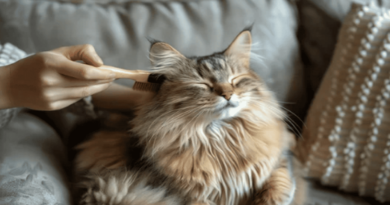
Soft toys, grooming brushes, and sensory objects help soothe anxious cats. Some cats appreciate toys that hold familiar scents. These items promote comfort. They can help cats adjust to new homes, new pets, or changes in routine.
Comfort toys also support training because they reduce stress. Calm cats respond better to guidance.
How Toys Affect Emotional Health
Reducing Anxiety
Cats express anxiety through body language and behavior. Toys offer emotional outlets. Play helps release tension and channel nervous energy. It shifts focus from stress to enjoyment.
Daily play sessions create stability. They also strengthen the bond between cat and family. This connection reduces anxiety long-term.
Building Confidence
Cats feel confident when they understand their environment. Toys encourage exploration. They reward curiosity. They also allow cats to take small risks in a safe space.
Confidence reduces fear-based behaviors such as hiding or growling. Cats become more comfortable interacting with people and other pets. They also learn to communicate more clearly.
Improving Social Relationships
Cats build strong social bonds through shared activities. Playtime strengthens trust. It teaches boundaries, communication, and cooperation. Families gain insight into their cat’s personality.
In multi-cat households, interactive play reduces tension. It redirects competitive energy. It also encourages positive group behavior.
Integrating Toys Into Training Programs
Create Consistent Play Sessions
Short, frequent play sessions work better than long, irregular ones. They help regulate energy levels. They also build routines that improve behavior.
Consistency encourages stability. It helps cats anticipate positive experiences. This structure strengthens training.
Rotate Toys to Maintain Interest
Cats lose interest when toys stay the same. Rotation keeps toys exciting. It stimulates curiosity. It also encourages exploration and engagement.
A varied environment prevents boredom. It keeps cats mentally sharp.
Match Toys to Personality
Every cat behaves differently. Some prefer gentle activities. Others enjoy high-energy play. Matching toys to a cat’s personality increases success.
Respecting individual preferences builds trust. It also creates more effective training sessions.
Observe Behavioral Changes
Families should watch how their cat responds to each toy. These observations help refine training strategies. They also reveal emotional patterns.
Understanding these reactions helps build a supportive environment.
To Sum Up
Cat toys act as behavioral enrichment tools, training resources, and emotional support systems. They help cats express natural instincts. They stimulate the mind. They build physical strength and reduce stress. Toys also strengthen social bonds and shape positive daily habits.
Training becomes smoother when toys guide behavior. Redirection becomes easier. Emotional balance improves. Cats feel safer, happier, and more confident. Families also benefit from calmer, healthier interactions.
When enrichment becomes a priority, cats enjoy richer lives. They thrive in supportive environments. They grow emotionally and physically. Cat toys play a major role in this transformation.
References
- American Association of Feline Practitioners. Environmental Needs Guidelines.
- International Society of Feline Medicine. Feline Environmental Enrichment Recommendations.
- Ellis, S. L. H. (2009). Environmental enrichment: Practical strategies for improving feline welfare. Journal of Feline Medicine and Surgery.
- ASPCA. Cat Behavior and Training Resources.
- Humane Society. Enrichment and Play for Cats.
- Bradshaw, J. (2013). Cat Sense: How the New Feline Science Can Make You a Better Friend to Your Pet.
- Rochlitz, I. (2005). A review of the welfare of cats in confinement.
- Herron, M. E. (2010). Advances in feline behavior and welfare.