Environmental Health for Cats
Creating a Safe and Stimulating Home
Caring for a cat goes beyond providing food and regular vet visits. A healthy environment plays a vital role in a cat’s physical and emotional well-being. Every cat parent should understand that the home environment shapes their pet’s behavior, comfort, and overall health.
In this guide, we’ll explore how to create a safe, enriching space for your feline friend. We’ll cover environmental safety, stimulation, and wellness — from cat-friendly furniture to toxin-free cleaning habits.
Why Environmental Health Matters for Cats
Cats are sensitive creatures who rely on their surroundings for comfort and security. A clean, safe, and enriching environment promotes both mental and physical health. When your cat feels secure and stimulated, it shows — through relaxed body language, playful behavior, and steady appetite.
Environmental health affects:
- Mental stimulation: Cats thrive on curiosity. They need activities that mimic hunting, climbing, and exploring.
- Physical activity: A well-designed environment encourages exercise, reducing obesity and related diseases.
- Safety: Removing hazards such as toxic plants and harmful chemicals keeps your cat healthy.
By improving environmental health, you also strengthen your bond with your feline companion.
Creating a Safe and Stimulating Home Environment
- Provide Scratching Posts
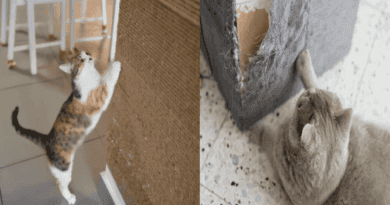
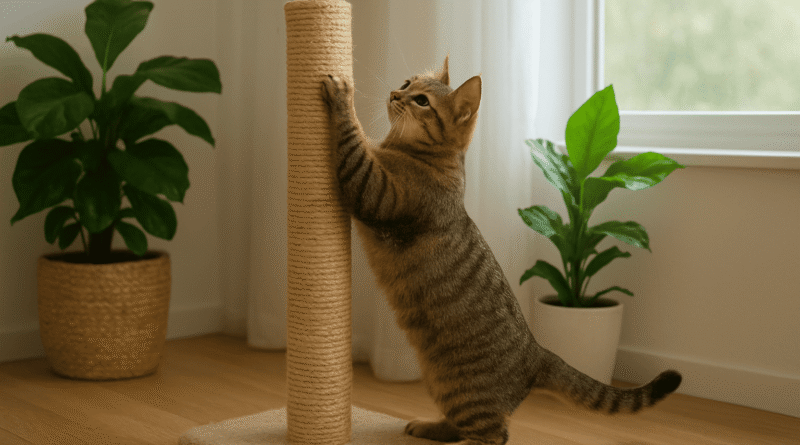
Scratching is natural for cats. It helps them stretch muscles, sharpen claws, and mark their territory. Instead of discouraging this instinct, offer healthy outlets.
Choose the right scratching post:
- Select posts tall enough for full-body stretches.
- Opt for sturdy materials like sisal, cardboard, or wood.
- Place posts in your cat’s favorite resting or observation spots.
Rotate or add new scratching surfaces to keep your cat’s interest. If your cat scratches furniture, redirect them gently to the post and reward them with praise or treats.
- Enrich with Toys
Cats are natural hunters, even when living indoors. Interactive play keeps them engaged and happy. Boredom can lead to stress, aggression, or destructive behavior.
Types of toys to consider:
- Interactive toys: Wand toys, feather teasers, and laser pointers encourage movement.
- Puzzle feeders: Stimulate your cat’s brain while satisfying hunger.
- Solo toys: Balls, toy mice, or crinkle tunnels keep them occupied when you’re away.
Rotate toys weekly to maintain excitement. Introduce new playthings occasionally to prevent boredom.
- Create Hiding and Resting Spots
Cats crave privacy and love observing from a distance. Hiding places allow them to feel safe and secure.
Ideal hiding areas include:
- Cozy cat beds in quiet corners.
- Cardboard boxes or covered cat caves.
- Elevated spots like cat trees or shelves for climbing.
Offer both high and low vantage points. These areas let your cat rest, nap, or watch household activity without feeling threatened.
- Maintain a Predictable Routine
Cats feel calmer when life is consistent. Sudden changes in feeding times, noise levels, or household activities can cause anxiety.
Maintain stability by:
- Feeding at the same times daily.
- Keeping litter boxes and sleeping areas in fixed locations.
- Providing regular play sessions.
Predictability builds trust and reduces stress-related behaviors like overgrooming or hiding.
Household Safety :
Protecting Your Cat from Hidden Dangers
Creating a safe environment means more than providing comfort — it’s about eliminating risks. Many everyday items can threaten your cat’s health.
- Remove Toxic Plants
Cats often chew on leaves or flowers out of curiosity. Unfortunately, many houseplants are toxic to them.
Common toxic plants include:
- Lilies
- Aloe vera
- Dieffenbachia (Foolish Cane)
- Philodendron
- Pothos
- Tulips
Replace these with cat-safe alternatives such as spider plants, Boston ferns, or cat grass. Keep questionable plants out of reach, even if they seem harmless.
- Avoid Harmful Chemicals
Cleaning products, insect sprays, and air fresheners may contain toxins. Cats can absorb these through their skin or paws after walking on treated surfaces.
Safer cleaning habits include:
- Using vinegar, baking soda, or unscented soap as natural cleaners.
- Keeping your cat away during cleaning sessions.
- Rinsing surfaces thoroughly before letting your cat near them.
Avoid bleach, ammonia, and strong essential oils such as tea tree, eucalyptus, or citrus — all of which can harm your cat’s respiratory or nervous system.
- Use Pesticides and Rodenticides with Caution
Outdoor cats or cats living near gardens are especially at risk from pesticides and rodenticides. These substances can cause poisoning even through indirect contact.
Instead of chemical-based solutions, try:
- Natural repellents like diatomaceous earth or neem oil.
- Physical barriers to keep pests out.
- Humane traps for rodents.
Always store pest-control products in sealed containers and areas inaccessible to pets.
- Keep Electrical Cords and Small Objects Safe
Cats love playing with dangling cords or small objects. These can cause choking or electrical injuries.
Protect your cat by:
- Tucking cords behind furniture or using cord protectors.
- Avoiding toys that are small enough to swallow.
- Keeping hair ties, rubber bands, and pins in closed containers.
If your cat enjoys chewing cords, provide rubber chew toys as safe alternatives.
- Ensure Safe Outdoor Access
If your cat ventures outdoors, ensure the area is safe and enclosed. Outdoor exposure provides enrichment but also risks traffic, parasites, and predators.
Options for safe outdoor time:
- Build a catio (an enclosed outdoor patio).
- Use a harness and leash for supervised walks.
- Install secure fences or barriers to prevent escapes.
Check your cat for fleas, ticks, and injuries after outdoor adventures.
Environmental Enrichment:
Stimulating the Feline Mind
A mentally stimulated cat is a happy cat. Environmental enrichment mimics the challenges cats would face in the wild. It helps reduce stress, obesity, and behavioral issues.
- Encourage Exploration
Cats love discovering new spaces. Rearrange furniture or add cat tunnels and boxes to keep their curiosity alive.
You can even create themed play zones, such as jungle corners with plants and climbing poles or exploration areas with tunnels and toys.
- Offer Window Views
Window perches allow cats to watch birds, people, or leaves moving outside. This visual stimulation satisfies their curiosity and reduces boredom.
Install sturdy perches with soft bedding near windows. If possible, add a bird feeder outside to create a live “cat TV.”
- Provide Vertical Space
Cats love climbing and observing from above. Vertical space boosts their confidence and offers security.
Vertical enrichment ideas:
- Cat trees with multiple platforms.
- Wall-mounted shelves or hammocks.
- Tall furniture that’s stable and safe to climb.
These features also help cats share territory peacefully in multi-cat homes.
- Introduce Sensory Enrichment
Cats explore the world through sight, smell, and touch. Stimulating their senses promotes happiness.
Sensory ideas:
- Use catnip or silvervine toys.
- Offer scratching surfaces with different textures.
- Rotate scents safely using dried herbs like valerian or cat mint.
Avoid strong essential oils, as many can cause respiratory irritation.
- Encourage Interactive Feeding
In the wild, cats work for their meals by hunting. Recreating this experience indoors keeps them engaged.
Interactive feeding options:
- Puzzle feeders or treat-dispensing toys.
- Hiding small portions of food around the house.
- Food mazes that require pawing or sniffing.
These activities slow down eating, prevent boredom, and enhance problem-solving skills.
Indoor Air Quality and Comfort
Clean air contributes to overall feline health. Poor ventilation or strong scents can irritate sensitive respiratory systems.
Improve indoor air quality by:
- Using air purifiers with HEPA filters.
- Avoiding smoke or incense indoors.
- Opening windows regularly for fresh air.
Maintain comfortable temperatures year-round. Cats dislike extreme heat or cold, so ensure their favorite resting areas remain cozy and draft-free.
Litter Box Hygiene and Placement
A clean litter box is vital to both your cat’s comfort and your home’s cleanliness. Cats prefer tidy, quiet spaces for their litter needs.
Follow these guidelines:
- Scoop daily and change litter weekly.
- Wash the box with mild soap and warm water.
- Place litter boxes in low-traffic, private areas.
For multi-cat households, provide one box per cat plus one extra. This prevents territorial disputes and encourages regular use.
Emotional Well-being and Environmental Balance
Environmental health isn’t only about safety — it’s about emotional balance. Cats feel stress when their surroundings are unpredictable or overly stimulating.
Signs of environmental stress include:
- Hiding or aggression.
- Overgrooming or loss of appetite.
- Urinating outside the litter box.
Reduce stress by:
- Providing consistent routines.
- Offering hiding spots and quiet zones.
- Using pheromone diffusers to promote calmness.
Gentle interaction and play help your cat feel loved and secure.
The Role of Human Interaction
No environment feels complete without affection. Cats may appear independent, but they crave attention and companionship.
Spend quality time each day engaging your cat through:
- Gentle petting or brushing.
- Play sessions with toys or puzzles.
- Talking to your cat softly to strengthen trust.
Respect their boundaries — let them choose when to approach or rest. This mutual respect nurtures emotional security.
Designing a Cat-Friendly Home
Every home can become a haven for cats with small adjustments.
Living Room Tips
- Choose pet-friendly fabrics resistant to scratching.
- Keep fragile decor out of reach.
- Add soft blankets or cushions in sunny spots.
Kitchen and Bathroom Safety
- Store detergents, cleaners, and medicines securely.
- Avoid leaving food scraps or trash accessible.
- Close toilet lids to prevent accidents.
Bedroom and Workspace Ideas
- Provide cozy bedding away from drafts.
- Use shelves for vertical climbing.
- Keep electrical cables tidy and protected.
A harmonious environment supports both your lifestyle and your cat’s happiness.
Sustainable and Eco-Friendly Cat Care
Caring for your cat responsibly also means protecting the planet. Choosing sustainable options benefits your pet and the environment.
Eco-conscious ideas:
- Use biodegradable litter made from corn, wheat, or recycled paper.
- Choose durable toys and scratching posts instead of disposable ones.
- Donate old supplies to shelters rather than discarding them.
Reduce plastic waste by selecting refillable containers and natural grooming products.
Seasonal Environmental Tips
In Summer
- Provide cool resting spots and constant fresh water.
- Avoid leaving cats in hot rooms or vehicles.
- Use fans or cooling mats to maintain comfort.
In Winter
- Offer warm bedding and extra blankets.
- Keep sleeping spots away from cold floors.
- Limit outdoor time during freezing temperatures.
Seasonal awareness ensures comfort and prevents weather-related stress.
Monitoring Environmental Changes
Cats notice subtle changes in their surroundings. Observe how they react to new furniture, guests, or noises.
If your cat seems anxious:
- Introduce changes gradually.
- Provide familiar scents like their blanket or toy.
- Offer treats to create positive associations.
Monitoring reactions helps you maintain a stable, supportive atmosphere.
Regular Cleaning for Health and Safety
Cleanliness is key to environmental health. Dust, hair, and litter particles can trigger allergies for both cats and humans.
Best cleaning practices:
- Vacuum and dust frequently.
- Wash bedding and toys weekly.
- Clean food and water bowls daily.
Choose fragrance-free, non-toxic detergents. Fresh surroundings encourage relaxation and good hygiene habits.
Veterinary Insight: The Link Between Environment and Health
Veterinarians emphasize environmental wellness as a cornerstone of preventive care. A healthy environment reduces the risk of obesity, infections, and anxiety-related disorders.
Discuss your cat’s living conditions during checkups. Your vet can suggest enrichment activities or diet adjustments tailored to your cat’s lifestyle.
Building an Ever-Improving Environment
Environmental health evolves as your cat grows and ages. Kittens need stimulation and play, while senior cats prefer comfort and calm.
Adjust your environment over time:
- Add ramps or lower perches for older cats.
- Introduce new textures and toys for young ones.
- Maintain consistency in routine regardless of age.
Continuous improvement keeps your feline happy at every life stage.
To sum up
Creating a safe and stimulating environment transforms your home into a sanctuary for your cat. By offering scratching posts, toys, and cozy hiding spots, you nurture their natural instincts. Keeping toxic plants and harmful chemicals away ensures safety, while enrichment promotes happiness and longevity.
Every thoughtful choice — from the placement of a perch to the scent of a cleaner — contributes to your cat’s well-being. When you prioritize environmental health, you’re not just enhancing your cat’s life; you’re strengthening the bond between you and your beloved companion.
References
- American Association of Feline Practitioners. (2021). Feline Environmental Needs Guidelines. Retrieved from https://catvets.com/guidelines
- American Veterinary Medical Association. (2022). Pet Care: Environmental Enrichment. Retrieved from https://www.avma.org
- ASPCA Animal Poison Control Center. (2023). Toxic and Non-Toxic Plants List. Retrieved from https://www.aspca.org
- Cornell University College of Veterinary Medicine. (2023). Feline Health Topics. Retrieved from https://www.vet.cornell.edu
- Environmental Protection Agency (EPA). (2023). Pet-Safe Pesticide Use. Retrieved from https://www.epa.gov/pets
- Humane Society of the United States. (2023). Cat Care Basics. Retrieved from https://www.humanesociety.org
- International Cat Care. (2023). Environmental Enrichment for Indoor Cats. Retrieved from https://icatcare.org
- Pet Poison Helpline. (2022). Common Household Dangers for Cats. Retrieved from https://www.petpoisonhelpline.com
- PetMD. (2023). Cat Behavior and Safety Tips. Retrieved from https://www.petmd.com
- Veterinary Centers of America (VCA). (2022). Cat Health and Wellness. Retrieved from https://vcahospitals.com
- Green Pet Care Initiative. (2023). Sustainable Pet Care Tips. Retrieved from https://www.greenpetcare.org
- American Humane Society. (2023). Keeping Cats Safe Outdoors. Retrieved from https://www.americanhumane.org