Overview: Why Bobcat Fever Is Spreading in 2026
If you own a cat in the southern United States, 2026 brings a new urgent threat to your pet’s health. Bobcat Fever, scientifically known as Cytauxzoonosis, is no longer a rare rural disease. Veterinary clinics from Nashville to Dallas are reporting more cases than ever before, with the disease expanding its geographic range due to climate shifts and increased Lone Star tick populations.
The statistics are alarming. Without immediate medical intervention, Bobcat Fever carries a mortality rate approaching 100%. Even with aggressive treatment at emergency veterinary hospitals, survival rates only reach 50% to 60%. For cat owners, this means every hour matters when symptoms appear. Unlike chronic conditions that develop slowly, Bobcat Fever can kill a healthy cat in 72 hours from the first sign of lethargy.
What makes 2026 different? Three factors are driving this outbreak. First, the Lone Star tick, Amblyomma americanum, has expanded northward into Missouri, North Carolina, and parts of the Midwest due to warmer winters. Second, more Americans are adopting outdoor or indoor-outdoor cats post-pandemic, increasing exposure. Third, veterinary awareness is higher, so more cases are being diagnosed and reported through the Companion Animal Council surveillance network.
This 3000-word guide is designed for American cat owners who want science-based, actionable information. We’ll cover what Bobcat Fever actually is, the 5 fatal symptoms you cannot ignore, how Lone Star ticks transmit the parasite, 7 prevention strategies backed by veterinary research, and what treatment really costs in 2026. We’ll also address related threats like H5N1 bird flu in cats, because understanding the full risk landscape helps you protect your pet year-round.
By the end of this article, you’ll know exactly what to watch for, which prevention methods work, and what steps to take if you suspect your cat has been infected. Let’s start with the basics: what is Bobcat Fever and why should every cat owner in 2026 understand it?
What Is Bobcat Fever? Cytauxzoonosis Explained
Bobcat Fever is caused by a microscopic protozoan parasite called Cytauxzoon felis. The name comes from the fact that wild bobcats, Lynx rufus, are the natural reservoir host. Bobcats carry the parasite in their blood without showing any symptoms. They’ve evolved with it over thousands of years. Domestic cats, Felis catus, have no such immunity.
When a Lone Star tick feeds on an infected bobcat, it picks up the parasite. The tick then drops off and later bites a domestic cat. During that bite, the tick injects saliva containing sporozoites, the infectious stage of Cytauxzoon felis. These sporozoites travel through the cat’s bloodstream to the lymph nodes, liver, and spleen within hours.
Once inside the cat’s cells, the parasite multiplies rapidly in two distinct phases. The first phase is called the schizont stage. It destroys white blood cells and macrophages, which are critical for immune defense. The second phase infects red blood cells, causing them to rupture. This dual attack leads to severe anemia, organ failure, and systemic inflammation. That’s why symptoms hit so hard and so fast compared to other feline diseases.
It’s critical to understand that Bobcat Fever is not contagious between cats. Your cat cannot catch it from another cat at the vet clinic, from sharing food bowls, or through grooming. Transmission requires an infected Lone Star tick. This is good news because it means prevention is 100% focused on tick control, not isolation of sick cats.
The disease was first identified in Missouri in 1976, but for decades it stayed limited to rural areas with high bobcat populations. That changed around 2018 when tick surveys showed Lone Star ticks moving into suburban neighborhoods. By 2026, veterinary parasitologists consider it an emerging disease across the entire Southeast and South Central USA. Climate change models suggest the range will continue expanding north over the next decade.
Where Is Bobcat Fever Outbreaking in 2026?
According to 2026 data from veterinary teaching hospitals at University of Missouri, Texas A&M, and University of Tennessee, the highest concentration of Bobcat Fever cases remains in the “core states”: Tennessee, Texas, Louisiana, Mississippi, Arkansas, and Oklahoma. These states have dense bobcat populations and ideal humid conditions for Lone Star ticks to reproduce.
However, 2026 surveillance shows expansion into “border states” that rarely saw cases before 2020. These include Missouri, Kansas, Kentucky, North Carolina, South Carolina, Georgia, Alabama, and parts of Florida. Even Illinois and Indiana have reported sporadic cases linked to travel or tick migration on migratory birds.
Seasonality matters more than geography. Over 85% of cases occur between March and September. Ticks are most active when temperatures stay above 50°F consistently. In Texas and Louisiana, the season can stretch from February to November. In Tennessee and North Carolina, peak months are April through August when nymph ticks are most abundant.
Urban areas are not safe. Studies from Texas A&M University show Lone Star ticks thrive in suburban parks, greenbelts, golf courses, and even landscaped backyards. Any area with tall grass, leaf litter, and wildlife traffic is high risk. That means if you live within 50 miles of a forest or conservation area, your cat is potentially exposed even if it never leaves your yard.
The CDC does not track Bobcat Fever directly because it only affects animals. But the Companion Animal Council maintains a voluntary reporting database that veterinarians use to map outbreaks. Their 2026 update confirms case numbers are up 40% compared to 2024, with the fastest growth in suburban counties around major cities like Austin, Nashville, and Charlotte.
Lone Star Tick: The Primary Vector
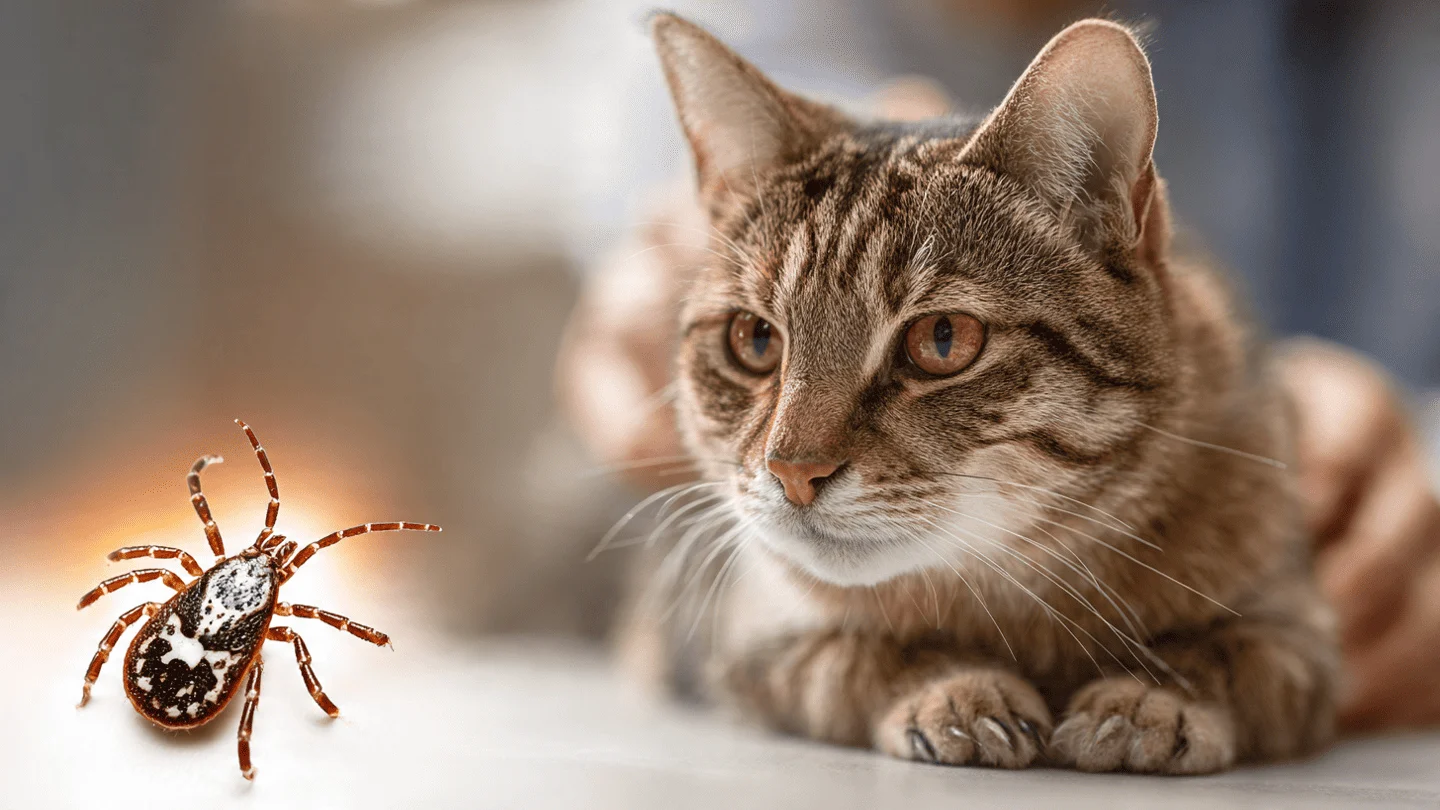
The Amblyomma americanum, commonly called the Lone Star tick, is the main carrier of Cytauxzoon felis. It’s named for the white spot on the back of adult females, which looks like a star. Unlike deer ticks that prefer wooded areas, Lone Star ticks are aggressive and will bite humans, dogs, and cats in open grasslands, gardens, and yards.
Adult female Lone Star ticks are about 5mm long before feeding. After taking a blood meal, they can swell to the size of a grape. The larvae and nymph stages are tiny, about the size of a poppy seed, making them hard to detect during daily tick checks. All three life stages can transmit Bobcat Fever.
Lone Star ticks have expanded their range dramatically since 2010. Warmer winters allow more ticks to survive, and deer populations provide blood meals for reproduction. A single female can lay up to 8,000 eggs. In 2026, entomologists report established populations as far north as Iowa and as far east as Delaware.
These ticks are also known vectors for other pathogens including Ehrlichia, tularemia, and Alpha-gal syndrome in humans. For cats, Cytauxzoon felis is the most dangerous. A tick needs to feed for 24-48 hours to transmit the parasite, which is why daily tick checks are one of the most effective prevention methods.
How Transmission Works: Bobcat to House Cat
The transmission cycle involves three players: wild bobcats, Lone Star ticks, and domestic cats. Bobcats are the reservoir host. They get infected as kittens and carry Cytauxzoon felis for life without illness. Their blood contains high levels of parasites, making them perfect sources for ticks.
When a larval or nymph Lone Star tick attaches to a bobcat, it ingests infected blood cells. Inside the tick, the parasite undergoes sexual reproduction and develops into sporozoites. These sporozoites migrate to the tick’s salivary glands and wait there for the next feeding.
Weeks or months later, that same tick molts into the next life stage and seeks a new host. If it attaches to a domestic cat, it injects sporozoites with its saliva. The cat becomes infected, but unlike bobcats, the parasite overwhelms the domestic cat’s immune system.
This cycle explains why Bobcat Fever cases cluster near areas with both bobcats and high tick density. Suburban development that brings houses closer to wildlife corridors increases risk. Cats that roam outdoors, even for short periods, are most vulnerable. Indoor-only cats are still at risk if ticks are brought inside on dogs, humans, or clothing.
Understanding this cycle is key to prevention. You cannot eliminate bobcats from the ecosystem, and you cannot kill every tick. But you can break the transmission by preventing ticks from feeding on your cat for more than 24 hours.
5 Fatal Symptoms Every Owner Must Know
Symptoms of Bobcat Fever appear 10 to 15 days after an infected Lone Star tick bite. The onset is sudden and severe. Many owners report their cat was normal in the morning and critically ill by evening. Recognizing these 5 symptoms early can mean the difference between life and death.
1. Sudden and Extreme Lethargy
The first and most consistent sign is a dramatic drop in energy. Your playful, active cat becomes weak, unresponsive, and hides in dark places. This is not normal tiredness. Cats with Bobcat Fever often stop responding to their name, toys, or treats. They may lie on their side and struggle to stand. This lethargy is caused by systemic inflammation and anemia as the parasite destroys blood cells.
2. Complete Loss of Appetite and Thirst
Cats stop eating and drinking within 12 hours of symptoms starting. This leads to rapid dehydration and hypoglycemia. Unlike picky eating, this is a total refusal of all food including favorite wet food or treats. Dehydration accelerates organ failure. If your cat has not eaten for 24 hours, this is a veterinary emergency regardless of the cause.
3. Dangerously High Fever Above 104°F
Normal cat temperature is 101.5°F. Cats with Bobcat Fever often spike to 105-106°F. You may notice panting, rapid breathing, or hot ears and paws. High fever damages brain cells and internal organs. Do not attempt to cool the cat at home with ice or cold water. This can cause shock. Immediate veterinary care is required for controlled cooling and IV fluids.
4. Pale or Yellowed Gums and Eyes – Jaundice
Lift your cat’s lip and check gum color. Healthy gums are pink. In Bobcat Fever, gums become pale pink, white, or yellow. Yellowing of gums and the whites of the eyes indicates jaundice. This happens when the liver cannot process bilirubin from destroyed red blood cells. Once jaundice appears, survival rates drop below 25%. Check gum color daily if you live in an outbreak area.
5. Difficulty Breathing and Rapid Heart Rate
As the disease progresses, cats develop labored breathing, open-mouth panting, and rapid heartbeat over 200 beats per minute. Fluid builds up in the lungs and tissues. The cat may extend its neck and breathe with its mouth open like a dog. This is end-stage respiratory distress and requires emergency oxygen therapy at a veterinary hospital.
Critical Note: By the time jaundice and breathing problems appear, the cat is often in the final 24 hours of survival without intensive care. If you see any combination of lethargy + no appetite + fever, treat it as an emergency. Call an emergency vet and say “possible Bobcat Fever” so they prepare for immediate blood work.
How Vets Diagnose Bobcat Fever in 2026
Veterinarians use a combination of physical exam, blood work, and microscopic examination to diagnose Bobcat Fever. The gold standard test is identifying Cytauxzoon felis parasites inside red blood cells or macrophages under a microscope.
Blood work typically shows severe anemia, low white blood cell count, high bilirubin, and elevated liver enzymes. A rapid in-house blood smear can show schizonts inside white blood cells within 10 minutes. Some clinics now use PCR testing to detect parasite DNA, which is more sensitive but takes 24-48 hours.
Early diagnosis is critical. Cats brought in within 48 hours of symptom onset have much higher survival rates. Vets in outbreak areas are now trained to ask about tick exposure immediately when a cat presents with fever and lethargy. If you live in TN, TX, LA, MS, AR, or OK, tell the vet “I’m concerned about Bobcat Fever” to speed up testing.
Treatment Protocols & Survival Rates 2026
There is no FDA-approved drug specifically for Bobcat Fever. Treatment relies on a protocol developed by Dr. Adam Birkenheuer at North Carolina State University and Dr. Leah Cohn at University of Missouri in 2012. This protocol combines anti-parasitic drugs, supportive care, and blood transfusions.
The main drugs used are atovaquone and azithromycin. These do not kill the parasite instantly but slow its reproduction so the cat’s immune system can fight back. Supportive care includes IV fluids, anti-nausea medication, oxygen therapy, and treatment for anemia.
Severe cases require blood transfusions because the parasite destroys red blood cells so quickly. A transfusion can cost $400-$800 per unit. Total treatment cost in 2026 ranges from $1,500 for mild cases caught early to $4,000+ for ICU care with multiple transfusions.
Survival rates depend entirely on timing. Cats treated within 48 hours of symptoms have 50-60% survival. Cats treated after jaundice and respiratory distress appear have less than 20% survival. Cats that receive no treatment die within 3-5 days with 100% mortality.
Survivors may carry the parasite for life but do not get sick again. They can still infect ticks, so prevention remains important even after recovery.
7 Vet-Approved Prevention Strategies for 2026
No vaccine exists for Bobcat Fever as of 2026. Prevention is 100% focused on stopping Lone Star ticks from feeding on your cat for more than 24 hours.
1. Keep Cats Indoors During Peak Season
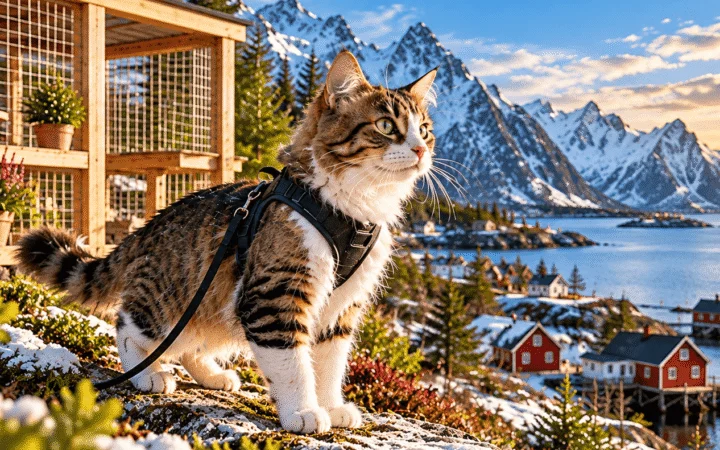
The safest option is keeping cats indoors from March through September. Indoor-only cats have 95% lower risk. If your cat insists on outdoor time, supervise on a leash or in a catio instead of free roaming.
2. Daily Tick Checks
Check your cat’s entire body daily, focusing on ears, neck, armpits, groin, and between toes. Use a fine-tooth flea comb. Remove any attached ticks with tweezers, pulling straight out without twisting. Dispose of ticks in alcohol.
3. Yard Management
Keep grass mowed short. Remove leaf litter and brush piles where ticks hide. Create a 3-foot wood chip or gravel barrier between lawn and wooded areas. This reduces tick migration into your yard.
4. Treat Your Dog for Ticks
Dogs bring ticks inside on their fur. Keep all dogs in the household on year-round tick prevention. This protects both the dog and your cat.
5. Avoid High-Risk Areas
Do not let cats roam in tall grass, wooded areas, or wildlife trails during tick season. Even 10 minutes in the wrong area can lead to exposure.
6. Wash Bedding Weekly
Wash cat beds and blankets in hot water weekly during tick season. This kills any ticks that fell off your cat indoors.
7. Talk to Your Vet About Prevention Options
While no product is labeled specifically for Bobcat Fever, vets recommend monthly tick preventatives for cats in outbreak areas. These include topical solutions and collars designed to kill ticks before they transmit disease. Always consult your veterinarian before starting any prevention product.
Indoor vs Outdoor Cats: Risk Comparison
Indoor-only cats have a Bobcat Fever risk near zero. The few cases in indoor cats occur when ticks hitchhike inside on humans, dogs, or clothing. If you live in a core outbreak state and your cat is indoor-only, daily tick checks on yourself and your dog provide sufficient protection.
Indoor-outdoor cats have moderate to high risk depending on location. Cats allowed out for even 30 minutes daily in TN or TX during summer have significant exposure risk. Cats that roam woods and tall grass have the highest risk.
Outdoor feral and barn cats suffer the most. Without owner supervision or veterinary care, Bobcat Fever is a major cause of death in these populations. TNR programs in outbreak areas now include tick prevention education for colony caretakers.
If you adopt a stray cat from a shelter in an outbreak state, request a tick prevention dose immediately. Shelters often find ticks on new intakes. Quarantine and thorough tick check before introducing to your home cats.
Common Myths About Bobcat Fever
Myth 1: Only bobcats can spread it. False. Bobcats are the reservoir, but Lone Star ticks spread it to domestic cats. Your cat does not need contact with a bobcat.
Myth 2: Indoor cats are 100% safe. False. Indoor cats can get ticks brought in on dogs or humans. Risk is low but not zero.
Myth 3: There is a vaccine. False. As of 2026, no vaccine exists. Prevention relies on tick control.
Myth 4: Cats can spread it to humans. False. Bobcat Fever only affects felines. Humans cannot catch Cytauxzoonosis from cats.
Myth 5: Cold weather kills all ticks. False. Ticks survive winter under leaf litter and become active on warm days above 40°F.
Myth 6: All ticks carry Bobcat Fever. False. Only Lone Star ticks transmit Cytauxzoon felis. Deer ticks carry Lyme disease but not Bobcat Fever.
Bobcat Fever vs H5N1 Bird Flu: What’s More Dangerous for Cats in 2026?
Both diseases made headlines in 2026, but they pose different risks. Bobcat Fever is limited to the southern USA and requires tick exposure. H5N1 bird flu affects cats nationwide but requires contact with infected birds or raw contaminated food.
Bobcat Fever has higher mortality: 100% without treatment vs H5N1 which varies by strain and exposure route. Bobcat Fever is preventable through tick control. H5N1 prevention focuses on keeping cats indoors and avoiding raw diets during outbreaks.
For most cat owners in TN, TX, LA, MS, Bobcat Fever is the more immediate threat due to tick season. For owners who feed raw diets or live near poultry farms, H5N1 is the bigger concern. Both require vigilance and veterinary guidance.
If your cat hunts birds or you feed raw poultry, discuss H5N1 risk with your vet. If your cat goes outside in tick areas, focus on Bobcat Fever prevention. Many cats face both risks simultaneously.
Emergency Action Checklist: Suspected Bobcat Fever
- Call an emergency vet immediately. Say “possible Bobcat Fever” so they prepare for rapid blood work.
- Keep cat warm and quiet during transport. Do not give human medication like Tylenol or ibuprofen – these are toxic to cats.
- Bring information about tick exposure and when symptoms started. Timeline helps diagnosis.
- Prepare for blood work and possible hospitalization. Ask about atovaquone + azithromycin protocol developed by NC State and University of Missouri.
- After treatment, implement strict tick prevention for all pets in the home. One case means high environmental tick load.
- Follow up with your regular vet for long-term monitoring. Survivors need rechecks to ensure full recovery.
FAQ: 15 Questions Answered
No. Bobcat Fever only infects felines. Humans cannot catch Cytauxzoonosis from cats. However, Lone Star ticks that bite cats can also bite humans and transmit other diseases like Alpha-gal syndrome.
Core states: Tennessee, Texas, Louisiana, Mississippi, Arkansas, Oklahoma. Expanding to Missouri, Kentucky, North Carolina, South Carolina, Georgia, Alabama, Kansas, Illinois, Indiana.
No vaccine is available as of June 2026. Research is ongoing but no product is on the market. Prevention relies entirely on tick control.
Without treatment, death occurs within 3-5 days of symptoms starting. Mortality rate is nearly 100%. With treatment started within 48 hours, survival improves to 50-60%.
Yes, if ticks are brought inside on dogs, humans, or clothing. Risk is much lower than outdoor cats but not zero. Daily checks still recommended in outbreak areas.
2026 costs range from $1,500 to $4,000+ depending on severity, hospitalization length, and need for blood transfusions.
Hospitalization lasts 5-10 days. Oral medication continues for 10-14 days at home after discharge. Full recovery takes 2-4 weeks.
Yes. Recovered cats can still carry the parasite in blood and infect ticks, though they do not get sick again themselves.
Bobcat Fever is caused by Cytauxzoon felis and attacks both white and red blood cells. Other tick fevers like Ehrlichiosis only affect white blood cells and are less fatal.
Yes. Young cats under 1 year have weaker immune systems and lower survival rates than adult cats.
PCR testing is available but not routinely recommended for asymptomatic cats. Talk to your vet about risk assessment if you live in high-risk area.
No. Dogs cannot be infected with Cytauxzoon felis. They can carry ticks that later infect cats.
March through September. Peak is May through August when nymph Lone Star ticks are most active.
When used correctly and replaced on schedule, tick collars and monthly preventatives significantly reduce risk by killing ticks before 24-hour transmission window.
If you live in an area with H5N1 outbreaks in birds, veterinarians recommend avoiding raw poultry diets during outbreak periods. Cooked diets are safer.
Final Thoughts: Protecting Cats in 2026
Bobcat Fever in 2026 is a serious but preventable threat to cats in the southern and central United States. The disease’s rapid progression and high mortality rate make early recognition and prevention critical for every cat owner.
The key takeaways are simple: understand the 5 fatal symptoms, keep cats indoors during peak tick season, perform daily tick checks, and consult your veterinarian about prevention options. If your cat shows sudden lethargy and loss of appetite, treat it as an emergency and mention Bobcat Fever to the vet immediately.
While treatment costs are high and survival is not guaranteed, prevention is affordable and effective. By managing your cat’s outdoor access and reducing tick exposure in your environment, you can protect your pet from this emerging disease.
Stay informed about local outbreaks through your veterinary clinic. As climate and wildlife patterns change, new areas may become affected. Regular communication with your vet ensures you have the latest prevention advice for your specific location.
Your cat depends on you for protection. With the information in this guide, you now have the knowledge to recognize Bobcat Fever early and take action that could save your cat’s life. Share this information with other cat owners in your area – awareness saves lives.
References & Scientific Sources
- Birkenheuer AJ, Le JA, Valenzisi AM, et al. Cytauxzoon felis infection in cats: 126 cases 1998-2001. Journal of Veterinary Internal Medicine. 2006;20(4):845-851.
- Cohn LA, Birkenheuer AJ, Brunker JD, et al. Efficacy of atovaquone and azithromycin for treatment of cytauxzoonosis in cats. Journal of Veterinary Internal Medicine. 2011;25(1):85-90.
- Companion Animal Council. Bobcat Fever Surveillance Report 2026. Updated March 2026.
- Reichard MV, Meinkoth JH, Edwards AC, et al. Transmission of Cytauxzoon felis to a domestic cat by Amblyomma americanum. Veterinary Parasitology. 2009;161(1-2):110-115.
- Tennessean. “Deadly Bobcat Fever is spreading; Here’s how to protect your cats”. Published June 2026.
- University of Missouri College of Veterinary Medicine. Cytauxzoonosis Treatment Protocol Update 2026.
- Texas A&M University Veterinary Medical Diagnostic Laboratory. Lone Star Tick Range Expansion Study 2026.
- Centers for Disease Control and Prevention. Tick-borne Diseases of the United States 2026 Report.
Disclaimer: This article is for educational purposes only and does not replace professional veterinary advice. If your cat shows any symptoms of illness, contact a licensed veterinarian immediately. Bobcat Fever is a medical emergency requiring immediate veterinary care.