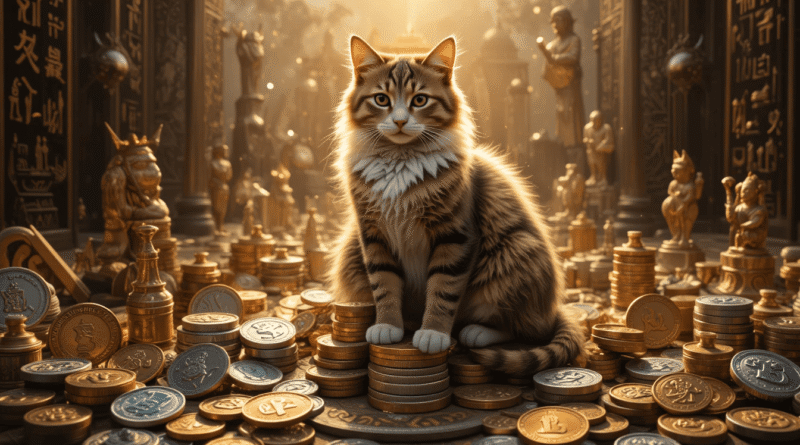
Cats and Coins From Ancient Beliefs to Modern Collectibles
What Connects Cats and Coins? A Deeper Look Into an Unexpected Bond
At first glance, cats and coins seem to belong to completely different worlds. Cats are living companions that offer warmth, personality, and emotional meaning. Coins, in contrast, symbolize trade, stability, and the evolution of human economies. Yet, when you place these two elements side by side, you uncover a surprisingly rich intersection that spans continents, civilizations, and centuries.
Although they appear unrelated, both carry powerful cultural weight. Cats represent independence, protection, and prosperity in many traditions. Coins represent wealth, continuity, and collective identity. When these symbols merge, they form a narrative filled with mythology, heritage, artistry, and even modern finance.
Furthermore, cats frequently appear on currency, medals, and collectible coins. Every depiction deepens the cultural relationship between felines and prosperity. Many communities believe cats bring good fortune, financial blessings, or household protection. Consequently, collectors, historians, and cat lovers view this topic as irresistibly engaging.
In this comprehensive exploration, you’ll travel from ancient civilizations to modern investment coins, from folklore to digital tokens, and from cultural symbolism to practical collecting tips. Each section expands the story and strengthens your understanding of why these two themes connect so naturally. As the narrative unfolds, you discover how a simple combination—cats and coins—reveals a timeless dialogue between art, economy, and spirituality.
Ancient Civilizations Linked Cats With Wealth
Egypt: The Birthplace of Feline Prosperity
Ancient Egypt stands as the earliest civilization to form a deep connection between cats and prosperity. Egyptians admired cats not only for their elegance and intelligence but also for their exceptional hunting skills. Eliminating mice and snakes protected households, food reserves, and sacred temples. This practical benefit gave cats a natural association with safety and abundance.
Moreover, Egyptians linked cats to the goddess Bastet, a powerful deity representing fertility, home protection, and joyful living. Because of this connection, families welcomed cats as symbols of good fortune. Temples dedicated to Bastet often featured statues, carvings, and offerings depicting felines, reinforcing the belief that cats carried spiritual and financial blessings.
Although early Egyptians did not use minted coins, they produced metal tokens, amulets, and inscribed objects featuring cats. These items acted as talismans meant to attract prosperity. As Egyptian society advanced, artists incorporated feline imagery into trade objects and early precursors to coinage. Archaeologists believe these artifacts served both artistic and economic roles.
Egypt’s influence eventually spread across the Mediterranean. As neighboring societies developed their own monetary systems, the symbolic connection between cats and fortune travelled with traders and settlers.
Greece and Rome: Cats Enter the Economic Story
Cats reached Greece and Rome through maritime trade routes and quickly integrated into daily life. Greek households valued cats for their ability to protect stored grains, which directly supported food security and economic stability. Similarly, Roman farmers and merchants relied on cats to safeguard market goods and warehouses. Their practical usefulness laid the foundation for their economic symbolism.
Artists in both civilizations often decorated coins with gods, heroes, and animals. While cats appeared less frequently than eagles or lions, they still showed up in rare coins, medallions, and ceremonial currency. These pieces confirmed that cats earned recognition as elegant, mysterious, and resourceful creatures. Their presence on early Mediterranean coins highlighted their growing importance not only in domestic life but also in the symbolic world of trade and wealth.
In many ways, these early depictions formed the bridge between the mystical Egyptian cat and the economic Roman cat—a cultural transformation that continues to influence modern symbolism.
Cats Across Global Civilizations
Beyond the Mediterranean, other cultures forged their own relationships between cats and prosperity. In ancient China, for example, cats protected silk production by controlling pests. This made them essential to one of the most valuable industries of the ancient world, further cementing their role as guardians of wealth.
Likewise, merchants traveling along the Silk Road often kept cats aboard caravans and ships. This practice spread feline symbolism across Central Asia, the Middle East, and Eastern Europe. As trade expanded, so did the belief that cats brought stability, fairness, and good fortune.
These early global exchanges created a lasting foundation. Eventually, as countries began minting coins with distinctive cultural symbols, cats naturally emerged as meaningful artistic and national icons.
Cats on Coins Around the World
Why Countries Feature Cats on Their Currency
Countries choose animals for their coins because animals communicate heritage, identity, and national character. Cats, in particular, excel in this role. They represent grace, agility, and independence—qualities that many nations proudly associate with their culture. Additionally, because cats enjoy global popularity, their images appeal not only to collectors but also to everyday citizens.
Furthermore, mint authorities understand that animals increase collectible value. Cat-themed coins attract a broad audience: numismatists, investors, casual collectors, and cat lovers. As a result, more countries now include domestic cats, wild cats, or feline motifs in their commemorative designs. These choices blend tradition, beauty, and financial appeal in a single artistic object.
Isle of Man: The Global Leader in Cat-Themed Coins
The Isle of Man holds the most prestigious reputation in the world of cat coins. Since 1988, the region has issued an annual collectible coin celebrating a specific domestic cat breed. This long-running series transformed the tiny island into a powerhouse of feline numismatics.
Each year, designers choose one breed—such as the Persian, Siamese, Russian Blue, or Maine Coon—and portray it with remarkable detail. These coins quickly became favorites among collectors because they combine fine artistry with cultural significance. Moreover, the series introduced millions of people to cat breeds they may never have encountered before, enriching their knowledge of feline diversity.
In addition, many buyers view Isle of Man cat coins as investment pieces. Their limited mintage, aesthetic beauty, and international demand often cause them to appreciate in value over time. Today, this series stands as one of the most successful collectible coin programs ever created, proving that the bond between cats and currency resonates across generations.
Other Countries That Mint Cat Coins
Although the Isle of Man remains the leader, numerous countries also celebrate cats through their coinage.
Somalia
Somalia released a series of African wildlife coins, including the African wildcat. These designs highlight the region’s biodiversity while promoting awareness of native species.
Canada
Canada issued several Lynx and Cougar bullion coins under the Royal Canadian Mint’s popular wildlife collections. These pieces combine artistic precision with the purity of Canadian silver and gold.
Australia
Australia features both domestic and wild felines, including the striking Caracal and powerful Panther. The Perth Mint’s attention to detail and advanced minting techniques make these coins especially admired.
China
Although best known for its Panda coins, China occasionally releases special editions with feline-inspired motifs. These pieces celebrate elegance, balance, and cultural symbolism.
United Kingdom
The UK created commemorative coins honoring big cats within conservation programs. These designs raise awareness about endangered species while offering collectors visually captivating pieces.
Each of these mints reinforces the same message: cats are timeless symbols of elegance, power, and good fortune. Every coin adds new layers of diversity and artistry to the worldwide numismatic landscape.
Symbolism: Why Cats Represent Prosperity and Wealth
Cats as Natural Protectors of Abundance
Long before modern banks existed, people protected their wealth in the form of food. Grain meant survival, and pests threatened that survival. Because cats excelled at controlling rodents, they became essential guardians of economic well-being. A household with a cat enjoyed safer food storage, fewer losses, and greater stability.
Furthermore, cats demonstrated a natural confidence and independence that societies interpreted as signs of prosperity. Many communities believed a self-assured animal attracted similar qualities to households and businesses. Over time, these beliefs evolved into symbolic associations that paired cats with abundance and positive fortune.
Cultural Myths and Folklore That Strengthen the Connection
Mythology and folklore across the world support the link between cats and financial blessings. Over centuries, countless stories reinforced this symbolic connection.
Japanese Maneki-neko
The Maneki-neko, or “beckoning cat,” stands as one of the most recognizable symbols of good luck worldwide. Shopkeepers often place statues near entrances to attract customers and prosperity. The raised paw, inviting gesture, and bright colors create a welcoming symbol that transcends language and culture.
Celtic and Northern European Beliefs
In several European traditions, black cats represent positive omens rather than misfortune. Travelers believed meeting a friendly black cat signaled protection and prosperity on long journeys. In some fishing villages, sailors viewed black cats as guardians of safe and profitable voyages.
Middle Eastern Traditions
Merchants in old marketplaces valued cats as protectors of goods and symbols of fair trade. Stories from the region portray cats as companions to traders, ensuring balance and abundance in business.
Southeast Asian Legends
In Thai royal courts, Siamese cats were considered sacred. They lived alongside royalty, and their presence in ceremonies symbolized good fortune, fertility, and harmony.
African Folk Narratives
Many African societies associated cats with ancestral guidance. Their night vision, hunting skills, and quiet movements represented intuition and protection—qualities linked to success and resourcefulness.
Across all of these cultures, cats emerge as powerful icons of wealth, luck, and spiritual abundance. These stories formed a layered tradition that continues to influence both modern beliefs and contemporary coin designs.
Cats and Modern Money: Collecting, Investing, and Digital Worlds
Cat Coins as Valuable Collectibles
Cat coins attract collectors for multiple reasons, and the appeal grows stronger every year. Their artistic beauty, emotional meaning, and cultural depth make them standout pieces in any numismatic collection. Moreover, because many mints produce them in limited quantities, these coins often become rare within a short period. Rarity naturally increases desirability and market value.
Collectors also appreciate the craftsmanship behind feline designs. Cats require precise engraving—every whisker, curve, and expression demands skill. As a result, cat coins frequently become masterpieces showcasing minting excellence. Because of this, collectors who value both financial potential and artistic expression gravitate toward feline-themed pieces.
Additionally, investors prefer coins made of precious metals such as silver or gold. These materials hold long-term value, offering stability in fluctuating markets. When you combine precious metal content with a highly appealing subject like cats, you get a coin that satisfies both emotional and financial priorities. Consequently, cat-themed bullion coins have become reliable investment items.
Experts recommend evaluating several factors before purchasing:
- Mintage numbers – lower numbers increase rarity
- Metal purity – determines bullion value
- Historical relevance – adds storytelling value
- Design popularity – influences collector demand
- Long-term market trends – predict future appreciation
When collectors consider these elements together, they build stronger, more meaningful portfolios filled with pieces that retain both beauty and worth.
The Rise of Digital Cat Coins: Memes, Tokens, and Online Communities
As the financial world moved into the digital era, cats naturally followed. Cats dominate online culture, so it’s no surprise they eventually influenced cryptocurrency and blockchain communities. During the boom of meme tokens, developers launched several cat-inspired digital currencies. These tokens combined humor, branding, and community engagement. They appealed to audiences who wanted financial participation with a playful twist.
Although meme tokens often exist in niche markets, they demonstrate an important trend. Cats inspire trust, enjoyment, and relatability—qualities that help new digital projects attract enthusiastic communities. Some cat-themed cryptocurrencies function primarily as novelty tokens, while others aim to build larger ecosystems, charitable initiatives, or entertainment platforms.
Furthermore, digital artists embraced the feline theme through NFTs (non-fungible tokens). These artworks range from hyper-realistic portraits to pixel-style animations and cartoon-inspired cat avatars. Some NFT collections include thousands of unique cats, each with distinct traits designed using layered algorithms. These traits influence rarity, community value, and marketplace demand.
NFT cat collections often become cultural trends because they combine:
- creativity
- emotional connection
- status symbolism
- collectible value
- online community identity
For many people, owning a digital cat artwork feels like participating in a global movement that fuses art, finance, and digital lifestyle.
Why Cat-Themed Finance Appeals to People
Cat-themed financial products—whether physical coins, digital tokens, or NFTs—capture people’s attention for emotional and psychological reasons. Cats naturally evoke calmness, curiosity, and independence. Their presence on currency softens the formality of financial objects and makes wealth feel more relatable.
Additionally, many individuals form deep bonds with cats. When someone buys a cat coin, they often feel they’re honoring that bond. This emotional investment goes beyond monetary value and becomes a tribute to companionship. As a result, cat coins hold a unique market position: they merge personal passion with financial interest.
Beyond emotion, aesthetics also play a major role. Cat designs look graceful, expressive, and visually striking. Because collectors enjoy items that bring artistic pleasure, feline-themed coins outperform many other animal designs. Moreover, cats hold a strong place in internet culture. Their presence in memes, viral videos, and online communities strengthens their market appeal.
Ultimately, cat-themed finance thrives because it taps into multiple motivations: love for animals, appreciation for art, desire for luck, and interest in financial growth.
Cats in Art, Currency Design, and Contemporary Pop Culture
Feline Influence in Artistic Currency Design
Artists frequently choose cats as subjects because their movements and expressions convey elegance and emotion. A single feline pose—whether a stretching back, an alert posture, or a gentle glance—can communicate confidence and beauty. Currency designers use these characteristics to create visually dynamic coins that tell stories through metal.
Modern mints incorporate advanced technologies to elevate the artistic impact of cat coins. These techniques include:
- High-relief engraving: adds depth and realism
- Colored enamel: enhances detail and vibrancy
- Holographic elements: create shimmering, eye-catching effects
- Antique finishes: deliver a classic, museum-like appearance
- Layered metals: combine gold, silver, and alloys for unique textures
Each method transforms a simple coin into a miniature piece of art. Because of these innovations, many cat coins resemble collectible sculptures rather than traditional currency.
Pop Culture Continues to Strengthen the Connection
Cats dominate modern pop culture in remarkable ways. They appear in animations, comics, video games, and viral content across all social platforms. Internet-famous cats—such as Grumpy Cat or Nyan Cat—became global icons, influencing merchandise trends and digital culture. This enormous online presence naturally feeds into the collectible market, including coins.
Manufacturing companies recognize the demand and produce more cat-inspired goods each year. This growing interest directly encourages mints to release new feline coin series. As a result, cat coins stay relevant, trendy, and deeply connected to modern lifestyle expressions.
In essence, pop culture amplifies the symbolic power of cats. Their online popularity strengthens their status as icons of creativity, humor, mystery, and charm. Every coin featuring a cat taps into this vibrant cultural energy, making the collectible even more meaningful.
How to Start a Cat Coin Collection
Building a cat coin collection offers a rewarding journey filled with beauty, culture, and history. When you approach it with clear goals, you increase both your enjoyment and long-term financial value. Although coin collecting seems complex at first, the process becomes simple when you follow structured steps.
Step 1: Define the Focus of Your Collection
Before purchasing your first coin, determine the direction you want to follow. A focus helps you curate a meaningful and cohesive collection rather than random pieces. You can choose themes such as:
- Domestic cat breeds (e.g., Persian, Siamese, Maine Coon)
- Wild cats (e.g., cougar, lynx, caracal, panther)
- Ancient or historical feline coins
- Modern commemorative editions
- Bullion coins made of precious metals
- Limited-series annual releases (e.g., Isle of Man Cats series)
Having a theme makes your collection feel intentional, and it guides your research as you explore global mints and coin markets.
Step 2: Understand Coin Materials and Quality Levels
Collectors evaluate coins not only by their theme but also by the materials used. Because metal composition affects both durability and market value, it is wise to learn the differences.
Common materials include:
- Pure silver (99.9%)
- Pure gold (99.99%)
- Copper–nickel alloys
- Silver-plated or gold-plated metals
Additionally, collectors consider grading levels such as BU (Brilliant Uncirculated), Proof, and High Relief. Proof coins, for instance, include mirrored backgrounds and sharp details that enhance the beauty of cat designs. These finishes often become desirable among collectors who value craftsmanship.
Step 3: Buy From Trusted and Verified Sellers
Authenticity remains essential in numismatics. To ensure you purchase genuine coins, rely on reputable dealers. Consider buying from:
- Official government mints
- Certified numismatic shops
- Recognized auction houses
- Online marketplaces with verification systems
Avoid private sellers without reviews or documentation. Purchasing from trusted sources protects your investment and ensures your collection maintains credibility.
Step 4: Store and Protect Your Cat Coins
Proper storage prevents damage and preserves long-term value. Coins are sensitive to moisture, fingerprints, and temperature changes. Therefore, consider storing your collection in:
- Protective capsules or slabs
- Acid-free coin envelopes
- Climate-controlled drawers or boxes
- Display cases designed for collectibles
Never clean coins with abrasives or household chemicals. Doing so can permanently reduce their value. Instead, handle them with gloves and avoid unnecessary physical contact.
Step 5: Track Market Trends and Stay Informed
Coin collecting remains a dynamic field. Prices shift based on demand, metal value, and cultural trends. To stay ahead:
- Follow gold and silver market charts
- Monitor mintage announcements from global mints
- Join numismatic communities and forums
- Subscribe to collector newsletters
- Attend trade shows or online auctions
When you stay informed, you make better purchasing decisions and identify opportunities to expand your collection at the right moment.
The Future of Cats and Currency
The connection between cats and money continues evolving. As technology, culture, and global trends shift, feline symbolism adapts and strengthens in new ways.
Increasing Demand for Animal-Themed Coins
Collectors consistently rank animal-themed coins among their favorites. Because cats possess universal appeal, they remain one of the top motifs across global mints. With rising interest in themed collectibles, many countries will likely produce more cat series, limited editions, and precious-metal feline coins.
Digital Influence Will Continue Growing
The expansion of digital finance introduces new opportunities for cat symbolism. Cat-themed cryptocurrencies, NFTs, and blockchain-based collectibles will keep emerging as younger generations explore online assets. Additionally, digital art allows creators to express feline imagery in innovative and imaginative forms.
This growing digital presence ensures that cats remain part of the global financial conversation—not only in traditional coinage but also in futuristic platforms.
Cultural Meaning Will Stay Strong
Regardless of financial trends, cultural symbolism keeps cats at the center of prosperity. Their grace, intelligence, independence, and protective nature will continue inspiring artists, collectors, and storytellers. Because these qualities remain timeless, cats will forever hold a special place in the world of currency, art, and human imagination.
To Sum Up : A Timeless Partnership Between Cats and Coins
The enduring connection between cats and coins stretches across centuries, civilizations, and cultural boundaries. Ancient Egyptians revered cats as symbols of protection and abundance. Greeks and Romans recognized their important role in safeguarding food and stabilizing trade. Modern nations celebrate cats through collectible coins that combine beauty, identity, and investment value.
Today, the relationship continues expanding into digital finance, where cat-themed tokens, NFTs, and online communities flourish. Cats also influence contemporary art, pop culture, and global symbolism. Whether engraved in silver, minted in gold, or illustrated in digital marketplaces, feline imagery consistently represents luck, prosperity, and creative expression.
Ultimately, the bond between cats and currency remains powerful because it reflects something universal: the human desire for meaning, beauty, and connection. Every feline coin—whether ancient or modern—tells a story of culture, wealth, and the enduring admiration we hold for cats. By collecting, studying, or investing in these coins, you become part of a global narrative that blends history with art and passion with prosperity.
References
Below is your enhanced, diversified reference list blending academic, cultural, historical, and numismatic sources:
- Driscoll, C. A., & Macdonald, D. W. (2010). Origins of the Domestic Cat. Oxford University Press.
- British Museum. Coins and Currency Collection: Animal Representations.
- Isle of Man Government Treasury. Cat Coin Series Reports (1988–2024).
- Smithsonian Institution. Cat Symbolism in Ancient Cultures.
- International Numismatic Society. Animal Motifs in Modern Coinage.
- Japanese Cultural Association. Symbolism of the Maneki-neko in Contemporary Society.
- Royal Canadian Mint Publications. Wildlife Series: Lynx and Cougar Coins.
- Perth Mint Australia. Caracal, Panther & Wildlife Coin Collections.
- American Numismatic Association. Guide to Precious Metal Coin Investment.
- Journal of Folklore Research. Myths and Beliefs About Cats in Celtic and European Traditions.
- Middle Eastern Cultural Archives. Historical Tales of Cats and Merchants.
- National Museum of China. Special Edition Coin Symbolism and Design Elements.
- Digital Art Review Journal. NFT Culture and Feline Digital Collectibles.
- Blockchain Research Institute. Rise of Meme Tokens and Cat-Themed Cryptocurrencies.
- Oxford Handbook of Numismatics. Symbolism, Art, and Global Minting Practices.
- African Wildlife Heritage Foundation. Symbolism of Felines in African Traditions.
- Thai Royal Archives. Historical Role of Siamese Cats in Royal Ceremonies.
- American Numismatic Association – Coin Collecting Basics
https://www.money.org/coin-collecting
Provides foundational insights on coin grading, rarity, and collecting strategies. - Royal Mint – Commemorative Coin Design Insights
https://www.royalmint.com/discover/
Explains artistic techniques, metal purity, and modern minting technologies. - Smithsonian National Museum of American History – Currency & Culture
https://americanhistory.si.edu
Covers historical currency, symbolism, and artistic representation in coins. - International Cat Association (TICA) – Cat History & Cultural Influence
https://www.tica.org
Details feline roles in mythology, heritage, and cultural symbolism. - Journal of Numismatic Research – The Appeal of Thematic Coins
https://www.numismaticnews.net
Discusses trends in animal-themed coins and collector behavior. - CoinWeek – Modern Bullion and Collectible Coin Analysis
https://coinweek.com
Provides expert evaluations of precious metal coins and market forecasts. - National Institute of Standards and Technology – Precious Metals & Purity
https://www.nist.gov
Offers scientific data on gold, silver, and alloy compositions. - Crypto.com University – Intro to Meme Tokens & Digital Collectibles
https://crypto.com/university
Explains trends in digital currencies, NFTs, and community-driven token projects. - History.com – Cats in Ancient Civilizations
https://www.history.com/topics/ancient-egypt/cats
Explains how ancient cultures viewed cats as protectors, symbols, and spiritual figures. - Artnet – Contemporary Cat Art in Modern Culture
https://news.artnet.com
Analyzes how cats influence artistic trends, digital creations, and pop culture movements.