
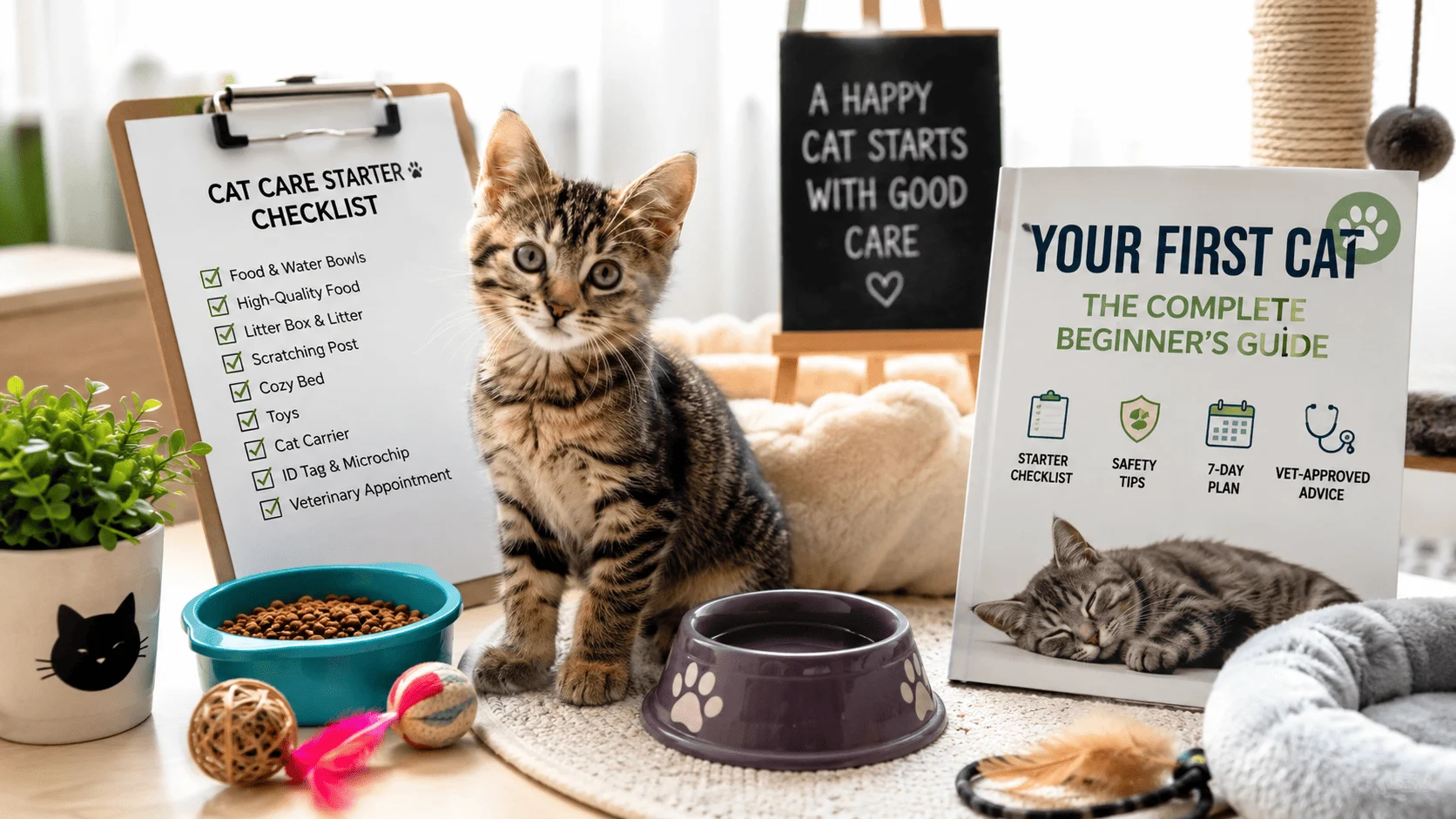
What Every Cat Owner Should Know
Bringing a new feline friend into your home is one of the most rewarding experiences you can have. Cats are intelligent, independent, incredibly affectionate, and, occasionally, delightfully weird.
However, if you are figuring out how to take care of your cat for the first time, it is perfectly normal to feel a bit overwhelmed by the sheer volume of information out there.
Many people adopt a cat believing they are low-maintenance, self-cleaning roommates. While they don’t require daily walks like dogs, cats have complex physical, nutritional, and emotional needs. A healthy cat can easily live for 15 to 20 years.
Understanding the basics of feline care from day one sets you and your new companion up for a lifetime of happy, stress-free bonding. This comprehensive guide is designed to act as your roadmap. Whether you are bringing home an energetic, tiny kitten or a serene, senior cat, we will cover everything from setting up their physical environment to decoding their subtle behaviors.
The Ultimate Starter Shopping Checklist & Budget
Before your new pet even sets a paw inside your home, you need to gather the essentials. Walking into a pet supply store without a list can lead to overspending on flashy toys while forgetting the absolute necessities.
Essential vs. Optional Starter Gear
To make your life easier, we have categorized these supplies by priority levels:
| Item | Priority Level | Estimated One-Time Cost | Why You Need It |
|---|---|---|---|
| Cat Carrier | High (Essential) | $25 – $50 | Non-negotiable for safe transport from the shelter and to the vet. Hard-sided plastic is sturdiest; soft-sided is great for travel. |
| Litter Box & Scoop | High (Essential) | $15 – $40 | Your cat’s primary bathroom. Large, open pans are generally preferred by most cats over hooded versions. |
| Cat Litter | High (Essential) | $15 – $30 | Unscented clumping clay or natural pine/paper litter is best for starting out. |
| Food & Water Bowls | High (Essential) | $10 – $25 | Wide, shallow stainless steel or ceramic bowls. Avoid plastic as it can trap bacteria and cause feline acne. |
| High-Quality Cat Food | High (Essential) | $20 – $45 | A mix of wet canned food and high-quality dry kibble tailored to your cat’s specific life stage. |
| Scratching Post/Pad | High (Essential) | $15 – $45 | Cats must scratch to shed their outer claw husks. If you don’t provide a post, they will use your couch. |
| Basic Grooming Brush | Medium (Highly Recommended) | $8 – $15 | Essential for reducing shedding, preventing painful mats, and minimizing hairballs. |
| Interactive Toys | Medium (Highly Recommended) | $10 – $25 | Wand toys, feather teasers, and catnip mice to provide vital mental stimulation. |
| Cat Tree / Tower | Low (Optional but Great) | $50 – $150 | Provides vertical territory, which helps cats feel safe and physically active. |
| Pet Insurance | Low (Optional but Recommended) | $15 – $50 / month | Protects you from sudden, expensive veterinary bills. |
Pro Tip on Whisker Fatigue: Always choose wide, shallow bowls for food and water. A cat’s whiskers are highly sensitive sensory organs packed with nerve endings. If their whiskers constantly touch the sides of a deep, narrow bowl while eating or drinking, it can cause sensory overload—a condition known as “whisker fatigue”—leading to them refusing food or pulling it onto the floor.
Cat-Proofing Your Home: A Safety Checklist
Cats are naturally curious, agile, and incredibly small. What looks like a harmless living room to you can look like an obstacle course of hazards to a curious feline. Before bringing home a new cat, you must secure your space to prevent accidents.
Toxic Household Items
Many common household items are highly poisonous to cats. Make sure you audit your home for the following:
- Toxic Plants: Lilies (even a tiny amount of pollen can cause fatal kidney failure), peace lilies, pothos, sago palms, English ivy, and tulips. Switch to pet-safe alternatives like spider plants, Boston ferns, or cat grass.
- Human Foods to Avoid: Chocolate, caffeine, onions, garlic, grapes, raisins, alcohol, and anything containing the artificial sweetener xylitol.
- Essential Oils & Cleaners: Tea tree oil, eucalyptus, and citrus oils are toxic to cats. Always store household bleach, laundry pods, and disinfectants in tightly closed cupboards.
- Medications: Common over-the-counter human pain relievers like acetaminophen (Tylenol) and ibuprofen (Advil) are highly toxic and fatal to cats.
Physical Hazards around the House
- Dangling Cords and Wires: Tie up or cover exposed electrical cords, computer cables, and blind cords. A curious kitten may chew on them or get tangled.
- Windows and Screens: Ensure all window screens are securely locked and entirely free of holes. Cats can easily squeeze through tiny openings if they see a bird.
- Small Objects: Hair ties, rubber bands, dental floss, sewing needles, and yarn are major hazards. If swallowed, they can cause a life-threatening intestinal blockage (known as a linear foreign body) that requires emergency surgery.
- Appliances: Always check the inside of your washing machine, clothes dryer, and dishwasher before closing the doors. Cats love warm, dark spaces for napping.
The First 7 Days: A Day-by-Day Survival Plan
The first week with a new cat is a delicate transition period. Your home is filled with unfamiliar smells, sights, and sounds, which can be highly intimidating to a small animal. Following a structured transition schedule will help your new pet adjust smoothly.
Day 1: The Safe Haven
Do not release your cat into the entire house right away. This can cause sensory overload, leading them to hide under a bed or behind a washing machine for days.
Instead, set up a designated safe room (such as a spare bedroom or a quiet bathroom) equipped with their litter box, food, water, a scratching pad, and a comfortable hiding spot. When you arrive home, place the carrier in the safe room, open the door, and step back. Let the cat choose when to walk out. Speak in low, comforting tones, and don’t force physical contact if they choose to stay inside the carrier.
Days 2 to 3: Quiet Discovery
Keep your interactions in the safe room calm and quiet. Sit on the floor at their level and read a book or look at your phone. This teaches the cat that your presence is safe and non-threatening. Keep their feeding schedule consistent.
Avoid loud noises, sudden movements, or hosting guests. If your new feline companion hides in a cardboard box or under a chair, let them. They are processing their new reality.
Days 4 to 5: Scent Swapping
Cats live in a world defined by smell. To help them feel at home, start swapping scents. Rub a clean sock or hand towel gently along your cat’s cheeks (where their friendly pheromone glands are located), then place it in the hallway or main living areas.
Take an item of your clothing, like a worn t-shirt, and place it in their safe room so they can get used to your unique scent.
Days 6 to 7: Supervised Exploration
If your cat is showing confident body language—such as walking with an upright tail, rubbing against your legs, and eating regularly—you can crack open the safe room door. Let them explore the rest of the house at their own pace, one room at a time.
Keep a close eye on them to ensure they do not find inaccessible hiding spots. Always keep the safe room open so they can run back to their secure base if they get startled.
The 30-Day New Cat Roadmap
Feline behaviorists often talk about the 3-3-3 rule for adopting a pet: 3 days to decompress, 3 weeks to learn your routine, and 3 months to feel fully at home. Here is what you should focus on during your first month together:
Week 1: Establishing Safety and Trust
Focus on getting your cat comfortable in their safe room, establishing feeding times, and scheduling their initial veterinary checkup.
Week 2: Expanding Boundaries
Slowly introduce your cat to other family members. Always instruct children to sit quietly and let the cat approach them first. Introduce interactive playtime with wand toys to build their confidence.
Week 3: Settling into Routines
By now, your cat should understand when breakfast and dinner are served. You can begin establishing a daily grooming and play routine. Start gently handling their paws and ears to desensitize them for future nail trims and veterinary examinations.
Week 4: Deepening the Bond
Your cat’s true personality will begin to shine. They will likely choose a favorite sleeping spot, demand attention at specific times, and show visible comfort around you. Ensure they have adequate environmental enrichment, like window perches for watching birds, to prevent boredom.
Feline Nutrition: Wet vs. Dry vs. Mixed Feeding
Understanding feline nutrition is a cornerstone of daily cat care. Unlike dogs, cats are obligate carnivores, meaning their bodies are biologically designed to thrive on nutrients found only in animal meat. They cannot be healthy on a vegetarian or vegan diet.
Comparing Feeding Methods
Every feeding style has its advantages and disadvantages. Let’s compare them:
| Feeding Type | Pros | Cons |
|---|---|---|
| Wet Canned Food | High moisture content (supports kidney and urinary health); highly palatable; typically lower in carbohydrates. | Expired food spoils quickly once opened; more expensive; can be messy. |
| Dry Kibble | Highly convenient; does not spoil easily; cost-effective; can be used in puzzle feeders. | Very low moisture content; often higher in carbohydrates and calorie-dense, which can contribute to obesity. |
| Mixed Feeding | Offers the “best of both worlds”—optimal hydration from wet food, convenience and dental crunch from dry. | Requires careful portion control to prevent overfeeding. |
Hydration and Whisker Care
Cats have a low natural thirst drive because their wild ancestors obtained most of their hydration directly from their prey. Chronic dehydration in pet cats can lead to painful bladder crystals, urinary tract infections, and chronic kidney disease.
To keep your cat hydrated, consider using a cat water fountain. Cats naturally prefer running water over standing water, as running water is perceived as cleaner and safer in the wild.
Additionally, keep their water bowl at least a few feet away from their food bowl; in nature, cats avoid drinking water next to their freshly killed prey to prevent contamination.
Mastering the Litter Box: Rules for Success
Litter box issues are one of the most common reasons cats are returned to shelters. Fortunately, almost all litter box problems can be prevented by following a few simple, research-backed rules.
1. The 1+1 Rule
Always have one litter box per cat, plus one extra. If you have one cat, you should have two litter boxes. If you have two cats, you need three litter boxes. This prevents territorial disputes and provides your cat with an alternative choice if one box is occupied or slightly dirty.
2. Location is Everything
Place the litter boxes in quiet, low-traffic areas where your cat won’t be startled by noisy appliances like washing machines or furnaces. Do not trap the litter box in a tight closet or dead-end corner.
Cats want to feel safe while using the bathroom, which means they prefer locations where they can easily spot an approaching threat and have multiple escape routes.
3. Scent and Texture Preferences
Avoid heavily perfumed, scented litters. While lavender-scented litter might smell nice to you, a cat’s sense of smell is fourteen times stronger than ours. A heavily scented box can feel like walking into a perfumed elevator, driving your cat to use your carpet instead. Stick to fine-grain, unscented clumping clay litters, which feel most natural to a cat’s soft paw pads.
4. Cleaning Maintenance
- Daily: Scoop out solid waste and urine clumps at least once a day. Twice a day is even better.
- Weekly/Monthly: Completely empty the box, wash it with warm water and a mild, unscented dish soap, and refill it with fresh litter. Avoid harsh chemical cleaners like ammonia or bleach, as their strong chemical smells can deter your cat.
Decoding Cat Body Language: How to Understand Your Cat
Cats are incredibly expressive animals, but they communicate with their entire bodies, not just their voices. Learning to read your cat’s body language will help you build trust and prevent scratches or bites.
1. The Tail: Your Cat’s Mood Barometer
- Upright with a slight curve (Question Mark): Happy, confident, and open to interaction. This is the ultimate “green light” for playtime and petting.
- Puffed up (Bottle Brush Tail): Terrified or highly agitated. The cat is attempting to make itself look larger to scare off a threat. Leave them alone to calm down.
- Low or tucked between the legs: Highly anxious, submissive, or feeling insecure.
- Twitching, whipping, or thumping: Mild to extreme irritation. If you are petting your cat and their tail begins to twitch or thump against the floor, stop immediately. They are telling you they have had enough.
2. The Eyes and Ears
- Slow Blink: Often referred to as a “cat kiss.” If your cat looks at you and slowly closes and opens their eyes, they are telling you they trust you completely. You can mimic this action back to them to show affection.
- Dilated Pupils: Can indicate extreme excitement, fear, or a play-hunting mood.
- Flat Ears (“Airplane Ears”): Turned sideways or pressed flat against the head. This indicates a highly defensive, angry, or terrified cat. Step back and give them space.
3. Vocalizations and Whisker Positions
While a purr usually means contentment, it can also be a self-soothing mechanism used when a cat is in pain or highly stressed. Look at the surrounding body language to confirm how they are feeling.
Additionally, relaxed whiskers will point slightly outward and forward, while stressed or defensive whiskers will be pulled flat back against their cheeks.
Veterinary Basics, Vaccinations, and Emergency Signs
Taking your new cat to the veterinarian is an essential step in your early days together. Even if your cat looks perfectly healthy, felines are masters at hiding illness and pain as a natural defense mechanism inherited from their wild ancestors.
Initial Vet Visit and Preventative Care
Within the first week of bringing your cat home, schedule a wellness exam. This visit will establish a baseline for your cat’s health. Talk to your vet about:
- Vaccinations: Standard core vaccinations include FVRCP (which protects against feline viral rhinotracheitis, calicivirus, and panleukopenia) and Rabies. Non-core vaccines, like the Feline Leukemia (FeLV) vaccine, are highly recommended for cats that spend any time outdoors.
- Spaying or Neutering: If your cat is not already altered, discuss this with your vet. Spaying and neutering prevents unwanted litters, eliminates the risk of uterine infections (pyometra), reduces the risk of mammary cancers, and significantly lowers territorial behaviors like spraying urine in the house.
- Microchipping: A tiny microchip injected under the skin is a permanent form of identification. If your cat ever slips out of the house and is brought to a shelter or vet clinic, a simple scan will reunite you.
- Parasite Prevention: Even indoor cats can get fleas, ticks, heartworms, and intestinal parasites. Ask your veterinarian for a monthly preventative treatment tailored to your cat’s lifestyle.
Emergency Warning Signs
You must seek immediate veterinary attention if your cat displays any of the following symptoms:
- Difficulty Breathing: Breathing with an open mouth, wheezing, or rapid, shallow chest movements.
- Straining in the Litter Box: Specifically in male cats. If your cat repeatedly visits the litter box, cries out in pain, or produces no urine, this is a life-threatening medical emergency known as a urinary blockage. It can be fatal within 24 to 48 hours.
- Sudden Lethargy: Unwillingness to move, hide, or react to normal stimuli.
- Inability to Use Back Legs: Sudden paralysis of the hind limbs, which can indicate a serious cardiovascular issue known as a saddle thrombus.
- Persistent Vomiting or Diarrhea: Especially if it continues for more than 24 hours or is accompanied by blood.
Common First-Time Cat Owner Mistakes to Avoid
Even the most well-meaning owners can make mistakes during their first few weeks of cat parenthood. Here are the most common pitfalls and how to avoid them:
1. Punishing Your Cat for Natural Behaviors
Never yell at, spray with water, or hit a cat. Cats do not understand physical punishment; it only teaches them to fear you.
If your cat is scratching your couch, do not scold them. Instead, block access to the couch, place a sturdy scratching post right next to it, and reward them with treats and praise when they use the post.
2. Underestimating Grooming and Nail Care
Many first-time owners assume cats can handle all their own grooming. However, regular brushing is essential to prevent painful mats and reduce the amount of loose fur they swallow, which leads to hairballs.
Additionally, start trimming your cat’s nails every 2 to 3 weeks using a pet-safe nail clipper. Gently press on their paw pads to extend the claw, and trim only the sharp, clear tip, being careful to avoid the pink “quick” inside the claw, which contains sensitive blood vessels.
3. Assuming Indoor Cats Don’t Need Vet Care
It is a common myth that indoor cats do not need regular veterinary care or vaccines. Indoor cats can still be exposed to viruses carried on your shoes or clothes, and they are still susceptible to age-related illnesses, dental disease, and internal parasites. Ensure your cat receives an annual checkup.
Your Vet-Approved Daily and Weekly Care Routine
Keeping your cat healthy and mentally stimulated is all about consistency. Here is a simple, manageable daily and weekly routine to help you manage your tasks:
Daily Care Checklist
- Morning Feeding: Clean the food bowl and provide fresh wet or dry food.
- Water Refresh: Empty, rinse, and refill their water bowl or check the water level in their fountain.
- Litter Box Duty: Scoop all litter boxes at least once.
- Interactive Playtime: Dedicate 10 to 15 minutes to a vigorous play session using a wand toy to simulate a hunt.
- Quick Health Check: Look at your cat’s eyes, nose, and coat to ensure they look bright, clean, and healthy.
Weekly Maintenance Checklist
- Deep Litter Clean: Completely wash out one of the litter boxes with mild, unscented soap and warm water.
- Brushing Session: Spend 5 to 10 minutes brushing your cat’s fur to minimize shedding.
- Nail Inspection: Check their nails and trim them if they are getting long or catching on blankets.
- Wash Bedding: Wash their favorite blankets and bed covers to keep their resting areas clean and allergen-free.
Frequently Asked Questions
How do I take care of a cat for the first time?
To care for a cat for the first time, start by preparing a quiet safe room with food, water, a scratching post, and a litter box. Establish a consistent daily feeding schedule, scoop the litter box daily, spend time building trust without forcing contact, and schedule a preventative health exam with a veterinarian within your first week.
What does a first-time cat owner need?
A first-time owner needs a sturdy cat carrier, high-quality wet and dry food, stainless steel or ceramic food and water bowls, at least two litter boxes, unscented clumping litter, a scoop, a scratching post, a basic grooming brush, and interactive toys.
What should I do when I bring my cat home?
When you bring your cat home, place their carrier directly into a small, quiet safe room. Open the carrier door and let them step out at their own pace. Do not force them to cuddle or explore the rest of the house right away; give them a few days to adjust in their designated secure space.
How often should I feed my cat?
Kittens require frequent, small meals (3 to 4 times a day) because of their rapid growth and high energy. Adult cats thrive on a consistent schedule of 2 meals a day (morning and evening), while senior cats may benefit from tailored, easily digestible portions based on their medical needs.
Should I let my new cat roam the whole house?
No, you should not let a new cat roam the entire house immediately. This can overwhelm them and lead to excessive hiding. Start them in a single quiet room for the first few days, then slowly expand their territory room by room as they grow more comfortable and confident.
How long does it take for a cat to adjust to a new home?
While some highly confident cats adjust in just a few days, it typically takes about 3 weeks for a cat to learn your household routine and 3 months to feel fully secure and establish a deep bond with you. Patience is key during this transition.
Do indoor cats need vaccinations?
Yes, indoor cats need vaccinations. Core vaccines protect against highly contagious viruses like rabies and panleukopenia, which can survive on surfaces or be accidentally brought indoors on your clothes and shoes. Additionally, cats can sometimes escape outside or be exposed to pests like bats that enter the home.
How often should I clean the litter box?
You should scoop solid waste and urine clumps from the litter box at least once a day, though twice a day is ideal. At least once a month, completely empty the litter box, wash it with warm water and mild, unscented soap, and refill it with entirely fresh litter.
What foods are toxic to cats?
Foods that are highly toxic to cats include chocolate, caffeine, onions, garlic, grapes, raisins, alcohol, dairy products (many adult cats are lactose intolerant), and any sugar-free products containing the sweetener xylitol.
How do I know if my cat is happy?
A happy cat will walk with an upright tail that has a slight curve at the tip, blink slowly at you, rub their cheeks against your hands or furniture, purr during relaxed interactions, maintain a healthy appetite, and play enthusiastically.
What mistakes do first-time cat owners make?
Common mistakes include punishing cats for natural behaviors (like scratching), using plastic food bowls that harbor bacteria, placing the litter box in a loud or inaccessible area, neglecting regular brushing and nail trims, and assuming that indoor cats do not require routine veterinary checkups.
Should I adopt a kitten or an adult cat?
Kittens are energetic, highly playful, and adorable, but they require a massive amount of time, socialization, and supervision. Adult cats are typically calmer, have established personalities, are already litter box trained, and are much easier to manage for busy first-time owners.
Do cats need baths?
Generally, healthy cats do not need regular baths because they spend hours grooming themselves every day. You only need to bathe your cat if they get into something sticky, greasy, or toxic, or if they have a medical condition (like a skin infection) that requires a prescription medicated shampoo.
The Bottom Line
Caring for a cat for the first time is a journey filled with learning, laughter, and incredible companionship. By setting up a quiet safe space, securing your home from hazards, feeding a high-quality diet, and understanding their unique language, you will build a solid foundation of trust.
Remember to take things slow and be patient. Give your new pet the time and space they need to settle in, and before you know it, they will be curled up on your lap, purring softly, and making your house feel like a true home.
Sources & References
- American Veterinary Medical Association (AVMA): Guidelines on Pet Care and Feline Health
- American Association of Feline Practitioners (AAFP): Feline Behavior and Environmental Needs
- Cornell Feline Health Center: Nutrition and Health Recommendations
- ASPCA: Complete List of Toxic and Non-Toxic Plants for Cats
- Merck Veterinary Manual: Feline Preventative Medicine and Disease Management